Discover the best personal finance apps of this year to budget smarter, save more, and achieve financial freedom. Compare features, benefits, and find the right app for you.
Introduction
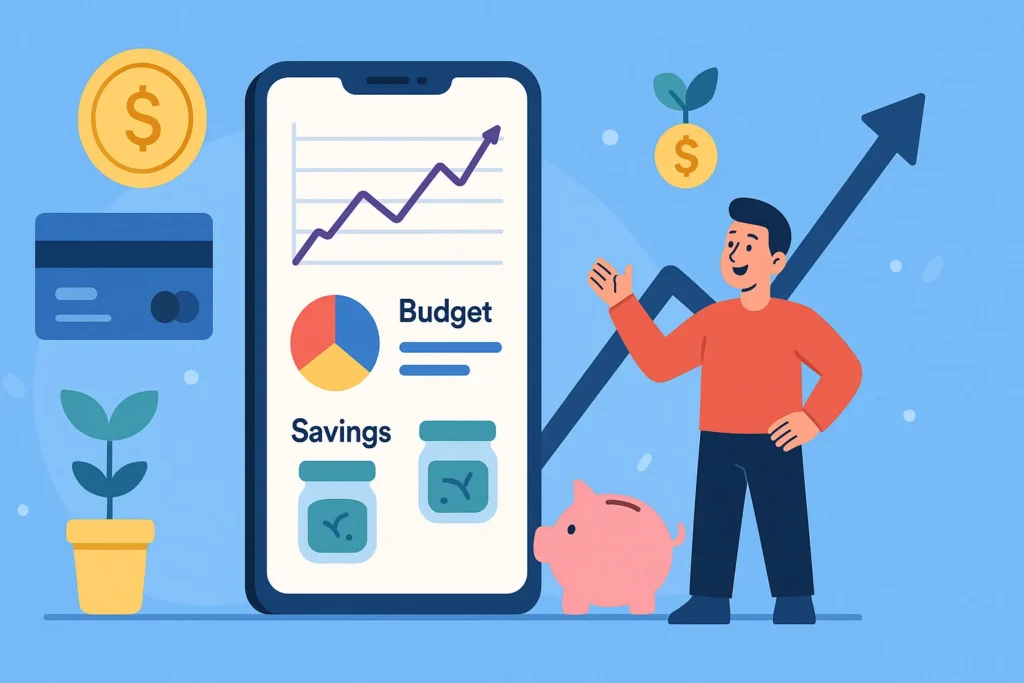
Managing money has never been more important. From rising living costs to the constant temptation of online shopping, keeping track of your income, spending, and savings can feel overwhelming. That’s where personal finance apps step in.
These apps make budgeting effortless, help you save automatically, track investments, and even teach you about financial wellness—all from your smartphone. Whether you’re a student, working professional, or entrepreneur, the right app can completely transform the way you handle money.
In this guide, we’ll explore the top personal finance apps you need this year, their features, benefits, and how they can help you take control of your financial future.
Why Use a Personal Finance App?
Before we dive into the list, let’s understand why these apps are game-changers:
- Convenience – Manage all accounts in one place.
- Automation – Save and invest without thinking about it.
- Clarity – See where your money is going.
- Goal Tracking – Set and achieve financial goals faster.
- Security – Most apps use bank-level encryption to protect your data.
Top Personal Finance Apps for 2025
1. Mint – Best for Budgeting Beginners
Mint remains one of the most popular personal finance apps. It’s completely free and allows users to link multiple bank accounts, track expenses, and set budgets.
Features & Benefits:
- Automatic transaction categorization
- Free credit score tracking
- Bill reminders
- Easy-to-read dashboards
Best for: Beginners who want a clear snapshot of their spending habits.
2. YNAB (You Need A Budget) – Best for Proactive Budgeting
YNAB follows a zero-based budgeting method, meaning you allocate every dollar you earn to a purpose—whether bills, savings, or fun.
Features & Benefits:
- Goal-setting tools
- Debt payoff planner
- Real-time budget syncing across devices
- Educational resources for financial literacy
Best for: People serious about gaining control over their money and eliminating debt.
3. PocketGuard – Best for Tracking Spending
If you want a simple way to know how much “safe-to-spend” money you have, PocketGuard is ideal.
Features & Benefits:
- Connects to all accounts and credit cards
- Shows “In My Pocket” balance after bills and savings goals
- Identifies areas to cut back spending
- Savings suggestions
Best for: Individuals who want a minimalist app to avoid overspending.
4. Acorns – Best for Beginners in Investing
Acorns helps you grow wealth by investing spare change from everyday purchases.
Features & Benefits:
- Round-up investing (spare change goes into ETFs)
- Automated recurring investments
- Retirement account options (IRA, SEP IRA)
- Educational financial content
Best for: Beginners who want to start investing with little effort.
5. Personal Capital – Best for Wealth Management
Now called Empower, Personal Capital combines budgeting tools with investment tracking.
Features & Benefits:
- Net worth tracker
- Retirement planning tools
- Portfolio analysis
- Cash flow and spending tracking
Best for: Professionals who want both budgeting and investment management.
6. Goodbudget – Best for Envelope Budgeting Fans
This app digitizes the old-school “cash envelope” system.
Features & Benefits:
- Divide income into digital envelopes (food, rent, entertainment, etc.)
- Sync with family members for shared budgeting
- Great for couples managing joint expenses
Best for: Couples and families who like a structured budgeting method.
7. Zeta – Best for Couples
Zeta is designed for couples, whether married or not.
Features & Benefits:
- Joint and individual expense tracking
- Bill splitting
- Shared goals and budgets
- Strong privacy options
Best for: Couples looking to manage money together smoothly.
8. Rocket Money (formerly Truebill) – Best for Subscription Tracking
Rocket Money identifies recurring subscriptions you may have forgotten about and helps cancel them.
Features & Benefits:
- Subscription management
- Bill negotiation services
- Budgeting and savings features
- Credit score monitoring
Best for: Anyone who wants to save money on unused subscriptions.
How to Choose the Right App for You
When picking a finance app, consider:
- Your Goals – Saving, investing, or budgeting?
- Ease of Use – Do you want simple or detailed tracking?
- Security – Look for apps with strong encryption.
- Cost – Free vs. paid subscriptions.
Conclusion
Personal finance apps are powerful tools to help you take charge of your money. Whether you want to budget better, save smarter, or invest for the future, there’s an app tailored for you.
By choosing the right app, you’re not just tracking expenses—you’re building financial freedom, step by step.
FAQ’s
1. What is the best personal finance app for beginners?
Mint is one of the easiest apps for beginners because it’s free, simple, and offers a clear overview of your spending habits.
2. Which personal finance app is best for couples?
Zeta and Goodbudget are excellent for couples as they allow joint expense tracking and goal-setting.
3. Are personal finance apps safe?
Yes. Most apps use bank-level encryption and two-factor authentication, but always use trusted apps with good reviews.
4. Can I invest directly through a personal finance app?
Yes. Apps like Acorns and Personal Capital (Empower) allow you to invest directly, with beginner-friendly or advanced options.
5. Do personal finance apps work internationally?
Some apps like Mint and YNAB are widely available, but availability depends on country-specific banking integrations.
6. What’s the difference between free and paid finance apps?
Free apps often provide basic budgeting, while paid apps like YNAB offer advanced goal tracking, debt payoff tools, and enhanced customer support.
7. Which app is best for managing subscriptions?
Rocket Money is highly effective in identifying, tracking, and canceling unwanted subscriptions.
Disclaimer
This blog is for educational purposes only. It does not constitute financial advice. Always consult with a certified financial advisor before making financial decisions.
Internal Link :-
- Stock Market vs. Real Estate: Which is Better in 2025?
- How to Create a Budget That You’ll Actually Stick To 2025
- AI Tools for Small Business Owners to Save Time & Money
- Best Passive Income Ideas for Beginners in 2025 – Build Wealth While You Sleep
- Credit Card Hacks to Maximize Rewards & Cashback in 2025