Discover how X (Twitter), YouTube, and Instagram shape modern elections through digital campaigns, influencer power, and voter engagement.
Introduction
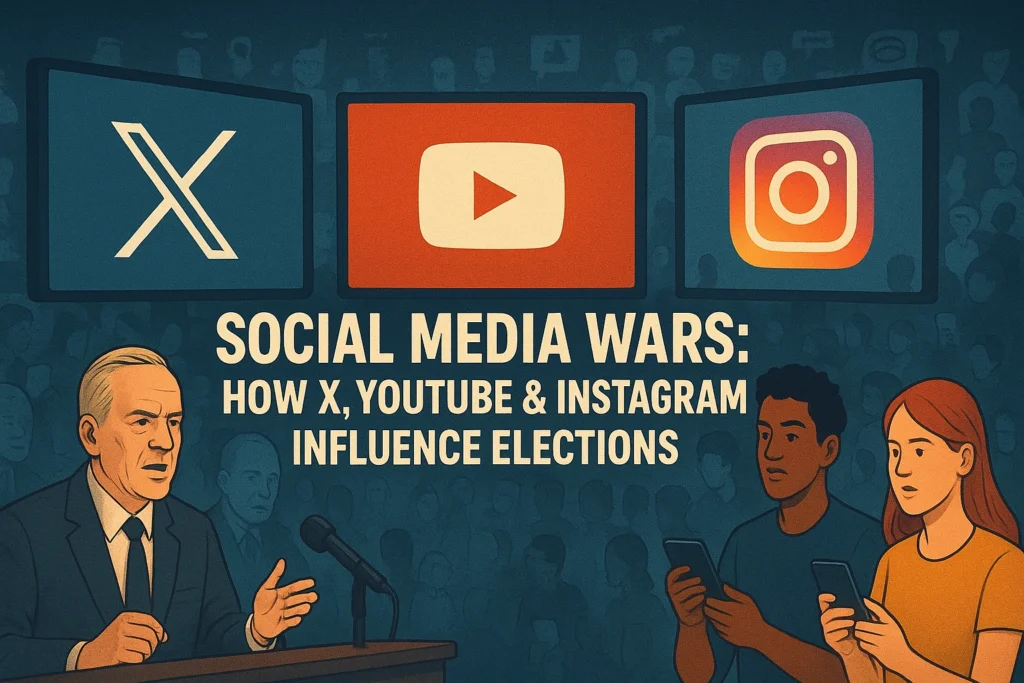
In today’s digital age, elections are not just fought in rallies and debates—they’re fought online. Social media platforms like X (formerly Twitter), YouTube, and Instagram have become the new battlegrounds for political campaigns.
From trending hashtags to viral videos and influencer endorsements, social media shapes public opinion, voter turnout, and even policy discussions. Politicians, parties, and activists now depend on these platforms to connect with citizens, spread their messages, and counter opponents.
This blog explores the power of social media in elections, with examples, benefits, risks, and the long-term impact on democracy.
The Role of Social Media in Modern Elections
1. Direct Communication Between Politicians and Voters
- Politicians use X for instant updates, announcements, and reactions.
- Instagram allows leaders to share behind-the-scenes moments, making them appear more relatable.
- YouTube provides a space for long-form speeches, interviews, and campaign ads.
Example: Barack Obama’s 2008 campaign is considered the first social media-powered election, while Donald Trump’s 2016 campaign leveraged Twitter for real-time messaging.
Benefit: Builds trust and makes politicians more accessible.
2. Viral Campaigns & Hashtag Movements
Hashtags and challenges can turn into mass movements within hours.
- X (Twitter): Trending hashtags like #YesWeCan or #VoteForChange can mobilize millions.
- Instagram Reels & Stories: Used to push quick, engaging campaign slogans.
- YouTube Shorts: Bite-sized political content that spreads rapidly.
Example: In India’s 2019 elections, hashtags like #MainBhiChowkidar gained millions of mentions and shaped narratives.
Benefit: Quick spread of political messaging at low cost.
3. Influencers and Digital Endorsements
Influencers on YouTube and Instagram play a crucial role in elections. Their endorsements—subtle or direct—can shift young voters’ opinions.
Example: In the 2020 U.S. elections, celebrities and influencers on Instagram encouraged voter registration drives that saw record participation among Gen Z.
Benefit: Connects campaigns with younger, digital-native voters.
4. Targeted Political Advertising
Social media platforms allow micro-targeting of voters based on demographics, interests, and behavior.
- YouTube ads before videos.
- Instagram sponsored posts targeting specific regions.
- X promoted tweets for political messaging.
Example: The Cambridge Analytica scandal during the 2016 U.S. elections highlighted the power—and risks—of micro-targeted ads.
Benefit: Maximizes campaign reach with minimal spending.
5. Misinformation & Fake News Battles
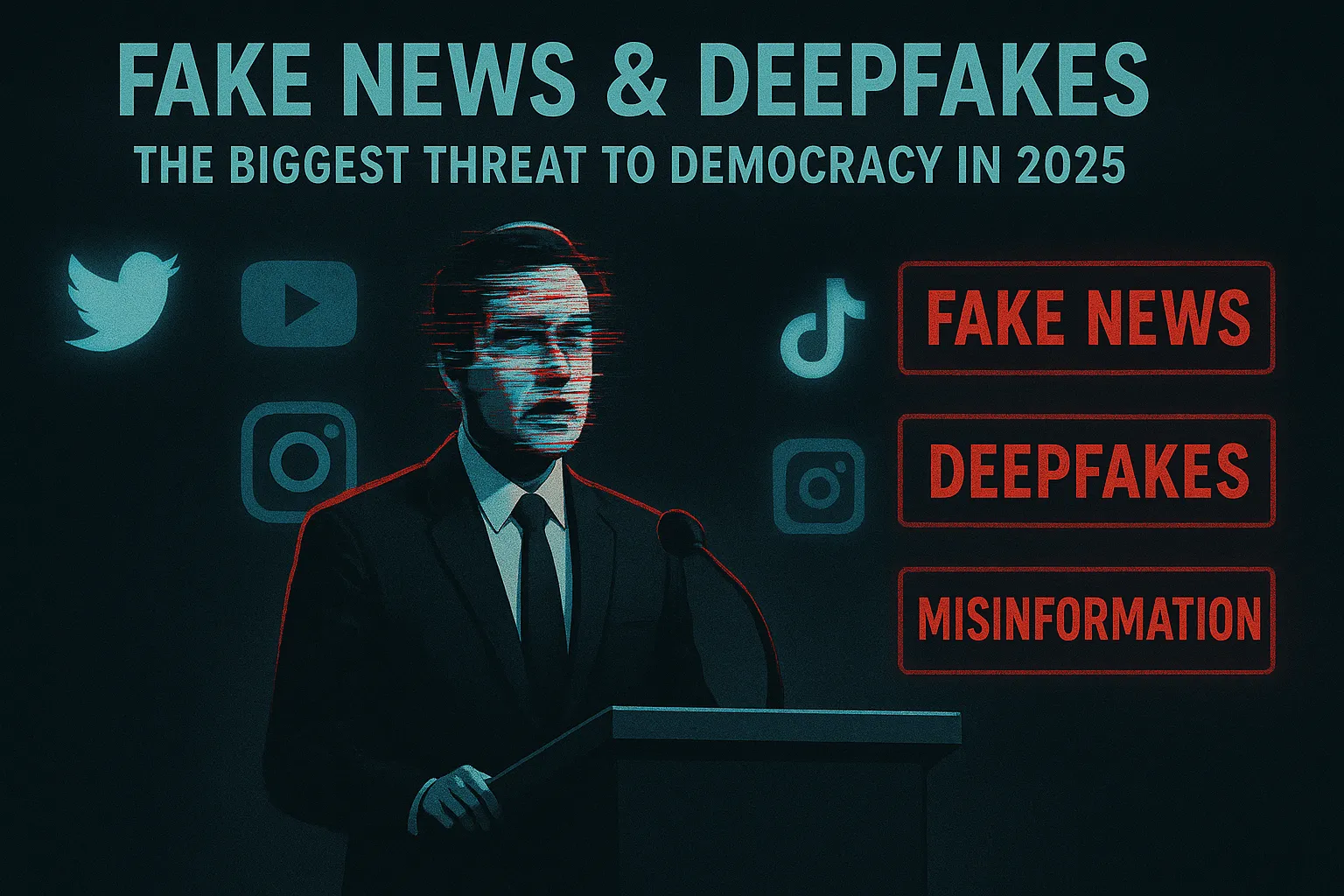
The downside of social media wars is the spread of fake news, deepfakes, and manipulated narratives.
- X is often criticized for the rapid spread of political misinformation.
- YouTube videos can be used to push propaganda.
- Instagram filters and edits can mislead with manipulated content.
Example: During Brazil’s 2018 elections, WhatsApp and YouTube were flooded with misinformation that shaped voter perceptions.
Risk: Misleads voters and damages democratic trust.
Platform-Specific Impacts on Elections
X (Twitter)
- Fastest platform for political communication.
- Popular for debates, trending hashtags, and real-time reactions.
- Leaders use it as a “digital press conference.”
YouTube
- Best for long-form content like interviews, campaign ads, debates.
- Livestreams allow direct voter interaction.
- YouTube Shorts spread political messages like wildfire.
- Focuses on visual storytelling.
- Politicians share personal stories, photos, and reels to connect emotionally.
- Stories and polls are powerful for engaging younger audiences.
Benefits of Social Media in Elections
- Wider Reach: Access to millions instantly.
- Cost-Effective Campaigning: Cheaper than TV or print.
- Increased Voter Participation: Encourages young voters to engage.
- Transparency & Accountability: Citizens can question leaders directly.
- Global Influence: International communities can follow and comment on elections.
Challenges & Risks of Social Media Wars
- Misinformation and Fake News
- Troll Armies & Cyberbullying
- Echo Chambers where users only see content that supports their views
- Manipulation via Paid Bots
- Data Privacy Concerns in targeted ads
The Future of Elections in the Social Media Era
The next phase of social media wars will include:
- AI-generated content for campaigns.
- AR/VR rallies through Instagram and YouTube.
- Blockchain-backed transparency in political ads.
- Greater regulation to counter misinformation.
Future elections will not just be fought on stage or in print—they will be fought with hashtags, memes, videos, and algorithms.
Conclusion
Social media has become the heartbeat of modern elections. Platforms like X, YouTube, and Instagram are not just communication tools—they are strategic weapons in political campaigns. While they empower citizens and leaders to connect more directly, the risks of misinformation, manipulation, and polarization cannot be ignored.
Ultimately, the impact of social media on democracy depends on how responsibly leaders, platforms, and voters use these digital spaces.
Disclaimer
This article is for educational purposes only. It does not endorse or promote any political party, leader, or campaign.
SEO-Optimized FAQ Section
1. How does social media influence elections?
Social media shapes voter opinions, spreads campaign messages, and increases engagement through direct communication, ads, and influencer endorsements.
2. Which platform is most powerful in elections?
Each platform plays a unique role: X for real-time debates, YouTube for long-form content, and Instagram for visual storytelling and youth engagement.
3. Can social media increase voter turnout?
Yes, campaigns on Instagram, YouTube, and X have successfully encouraged young voters to register and participate in elections.
4. What are the risks of social media in politics?
Misinformation, propaganda, echo chambers, and data privacy violations are major risks.
5. How do politicians use influencers in elections?
Politicians collaborate with social media influencers to reach younger audiences and gain credibility among digital-native voters.
6. Are social media ads effective in elections?
Yes, targeted ads allow campaigns to reach specific demographics with customized messages, making them highly effective.
7. What is the future of social media in elections?
The future will involve AI-driven campaigns, AR/VR political experiences, and stricter regulations to combat fake news.
Internal Link :-
- Best Home Workouts Without Equipment: Build Strength Anytime, Anywhere
- 7-Day Healthy Meal Plan for Beginners: Simple & Delicious Recipes
- 10 Best Apps to Save Money in 2025: Smart Budgeting & Financial Freedom
- How to Start Investing with Just $100 in 2025
- Best Side Hustles for Beginners to Make $500/Month in 2025
Can you be more specific about the content of your article? After reading it, I still have some doubts. Hope you can help me.
Your article helped me a lot, is there any more related content? Thanks! https://accounts.binance.info/ar/register-person?ref=FIHEGIZ8
Your article helped me a lot, is there any more related content? Thanks!
Thank you for your sharing. I am worried that I lack creative ideas. It is your article that makes me full of hope. Thank you. But, I have a question, can you help me?