New to intermittent fasting? Discover the beginner-friendly guide covering benefits, popular methods, tips, and FAQs to start fasting safely and effectively.
Introduction
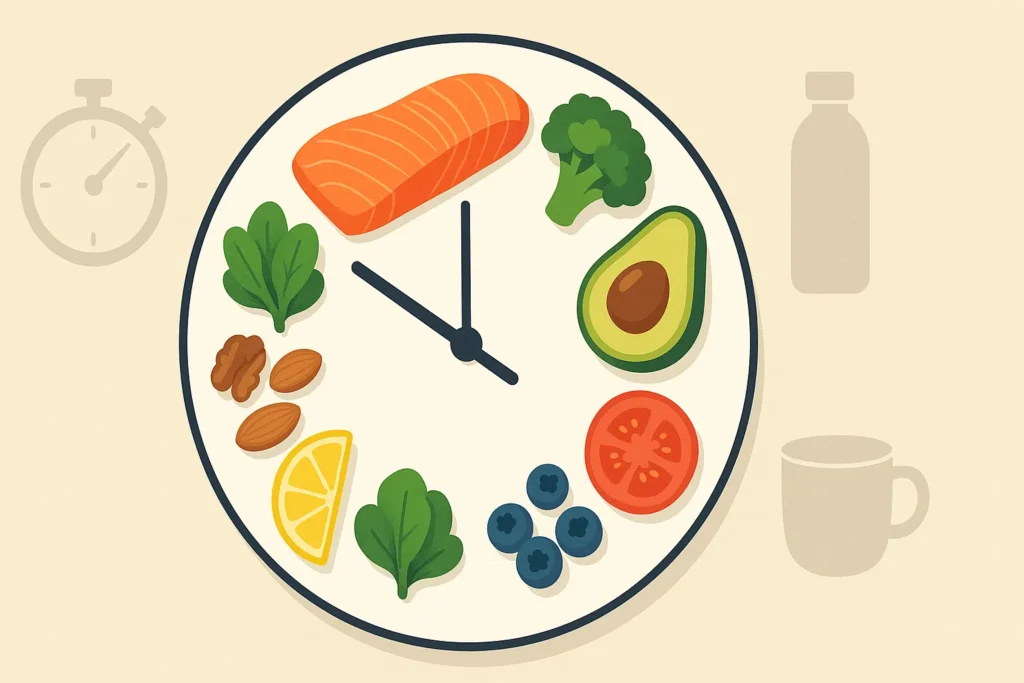
Intermittent fasting (IF) has become one of the most popular health and fitness trends in recent years. Unlike traditional diets that tell you what to eat, intermittent fasting focuses on when you eat. Many people adopt this lifestyle to lose weight, improve metabolism, and enhance overall health.
If you’re new to intermittent fasting and wondering how to begin, this guide will help you understand the basics, popular methods, benefits, and practical tips to start your journey smoothly.
What is Intermittent Fasting?
Intermittent fasting is an eating pattern that alternates between periods of fasting and eating. Instead of restricting food types, it emphasizes timing. For example, you may fast for 16 hours and eat only during an 8-hour window.
This approach doesn’t just reduce calories—it also triggers beneficial processes in the body such as hormone regulation, fat burning, and cellular repair.
Popular Intermittent Fasting Methods
1. The 16/8 Method
- Fast for 16 hours, eat within an 8-hour window (e.g., 12 PM–8 PM).
- One of the most popular and beginner-friendly approaches.
2. The 5:2 Diet
- Eat normally for 5 days of the week.
- Restrict calories (around 500–600) on 2 non-consecutive days.
3. The Eat-Stop-Eat Method
- Involves 24-hour fasts once or twice a week.
- Suitable for advanced practitioners, not beginners.
4. Alternate-Day Fasting
- Alternate between fasting days (little to no calories) and regular eating days.
- Effective but can be challenging for beginners.
5. The Warrior Diet
- Involves eating small snacks (fruits/vegetables) during the day and one large meal at night.
Benefits of Intermittent Fasting
Weight Loss & Fat Burning
Fasting reduces calorie intake and boosts hormone norepinephrine, increasing fat breakdown.
Improved Metabolism
Regulates insulin sensitivity, helping prevent type 2 diabetes.
Cellular Repair
Fasting triggers autophagy, a process where cells remove damaged components.
Brain Health
Boosts brain function by increasing BDNF (Brain-Derived Neurotrophic Factor) and reducing risk of neurodegenerative diseases.
Heart Health
May lower cholesterol, blood pressure, and inflammation markers.
Longevity
Some studies suggest fasting can extend lifespan by reducing oxidative stress and chronic disease risks.
How to Start Intermittent Fasting (Beginner Tips)
Step 1: Choose a Method
Start with the 16/8 method as it’s the easiest and most sustainable for beginners.
Step 2: Stay Hydrated
Drink water, black coffee, or herbal tea during fasting windows to avoid hunger.
Step 3: Break the Fast Smartly
End your fast with balanced meals (lean protein, whole grains, vegetables, and healthy fats). Avoid overeating.
Step 4: Listen to Your Body
Some hunger is natural, but severe fatigue or dizziness means you should adjust your approach.
Step 5: Be Consistent
The benefits of intermittent fasting grow over time. Stick to your chosen schedule for at least 2–4 weeks.
Example Intermittent Fasting Schedule for Beginners
16/8 Plan Sample (12 PM – 8 PM Eating Window):
- 12 PM (Lunch): Grilled chicken, quinoa, and salad
- 3 PM (Snack): Apple with peanut butter
- 7 PM (Dinner): Salmon, sweet potatoes, and veggies
- 8 PM – 12 PM (Next day): Fasting (only water, black coffee, or tea)
Who Should Avoid Intermittent Fasting?
Intermittent fasting may not be suitable for everyone. Avoid or consult a doctor if you are:
- Pregnant or breastfeeding
- Underweight or with a history of eating disorders
- Diabetic or on blood-sugar medications
- Suffering from chronic medical conditions
Conclusion
Intermittent fasting is a flexible and powerful lifestyle choice that can support weight loss, improve health, and boost energy levels. For beginners, the 16/8 method is the easiest entry point. However, always listen to your body and make adjustments when needed.
Remember, consistency is key. When paired with healthy food choices and regular activity, intermittent fasting can transform your health and well-being.
FAQs – Intermittent Fasting for Beginners
1. How long should beginners fast?
The 16/8 method (16 hours fasting, 8 hours eating) is the easiest for beginners. Start with 12/12 if 16/8 feels too difficult.
2. Can I drink coffee while fasting?
Yes. Black coffee, unsweetened tea, and water are allowed. Avoid adding sugar, milk, or cream.
3. How soon will I see results from intermittent fasting?
Most people notice changes in 2–4 weeks, depending on consistency and diet.
4. Can I exercise while fasting?
Yes, but listen to your body. Light to moderate workouts like walking, yoga, or weight training are safe for most people.
5. Will intermittent fasting slow my metabolism?
No. Studies show it can actually boost metabolism in the short term. Long-term extreme fasting may have the opposite effect, so balance is key.
6. Can I do intermittent fasting every day?
Yes, many people follow IF daily. However, it’s important to stay consistent with a method that feels sustainable.
7. What foods are best for breaking a fast?
Choose whole, nutrient-dense foods like lean proteins, vegetables, fruits, and healthy fats to prevent blood sugar spikes.
Disclaimer
This article is for educational purposes only and is not a substitute for professional medical advice. Consult your doctor before starting any fasting routine, especially if you have underlying health conditions.
Internal Link :-
- Best Home Workouts Without Equipment: Build Strength Anytime, Anywhere
- 7-Day Healthy Meal Plan for Beginners: Simple & Delicious Recipes
- Sleep Smarter: The Best Time to Go to Bed at Every Stage of Life
- Top 10 Supplements for Energy and Focus: Boost Productivity Naturally
- Goel Construction Company Ltd IPO: GMP, Price Band, Allotment, and Listing Details



I don’t think the title of your article matches the content lol. Just kidding, mainly because I had some doubts after reading the article.
I don’t think the title of your article matches the content lol. Just kidding, mainly because I had some doubts after reading the article. https://www.binance.com/register?ref=IXBIAFVY
Thanks for sharing. I read many of your blog posts, cool, your blog is very good. https://www.binance.info/register?ref=IHJUI7TF