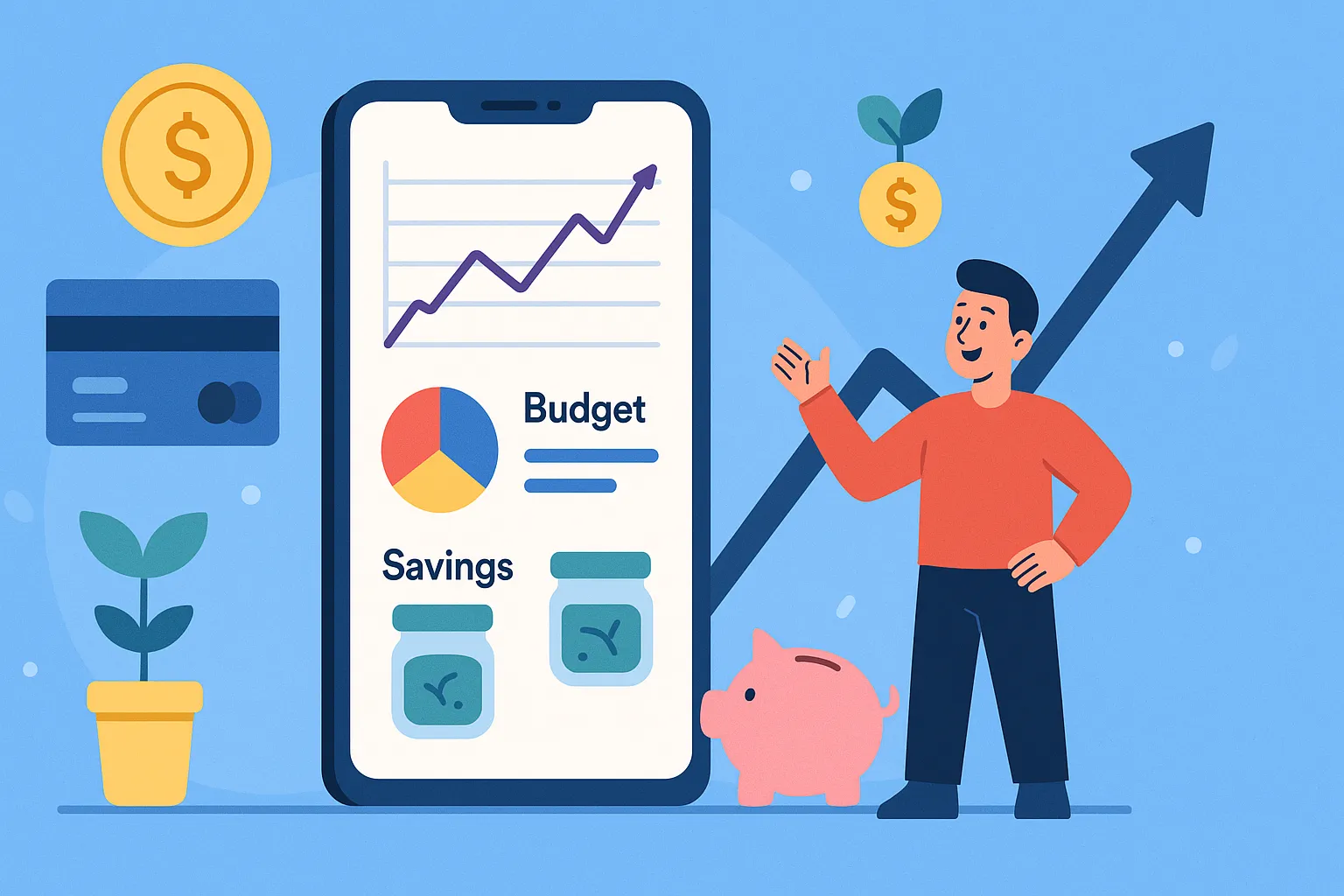
Learn effective strategies on how to build wealth in your 20s. Discover smart investments, saving techniques, and financial habits to secure your future.

Introduction
Building wealth in your 20s is one of the most crucial financial moves you can make for a secure future. The earlier you start, the more time your money has to grow through compound interest and strategic investments. While it may seem like a daunting task, building wealth doesn’t have to be complicated. In fact, some of the best wealth-building strategies are simple, consistent actions that anyone can start today.
In this blog, we will explore practical steps to help you start building wealth in your 20s. From saving and budgeting to smart investing and leveraging multiple income streams, these strategies will set you on the path to financial freedom. The earlier you begin, the sooner you’ll see your wealth grow, but it’s never too late to start taking control of your financial future.
1. Create a Solid Financial Plan: The Foundation of Wealth Building
Why You Need a Financial Plan
A financial plan acts as your roadmap to wealth. Without it, it’s easy to get sidetracked by short-term temptations or unexpected expenses. A well-crafted plan will help you define your financial goals, manage your money wisely, and stay focused on the long-term picture.
How to Create a Financial Plan
- Set Specific Goals: Define what financial success looks like to you. This could include paying off student loans, saving for a home, or building an investment portfolio.
- Track Your Spending: Use apps or spreadsheets to keep track of where your money is going. Understanding your spending habits will help you identify areas to cut back.
- Create a Budget: The 50/30/20 rule is a simple budgeting approach. Spend 50% on needs (rent, utilities, etc.), 30% on wants (entertainment, dining out), and 20% on savings and investments.
Example:
Let’s say you want to save $10,000 in the next year. By following your budget and cutting back on discretionary spending, you can allocate $834 each month toward this goal.
Benefits:
- Provides clarity and direction.
- Keeps you accountable for your financial choices.
- Helps you track your progress toward your goals.
2. Save Aggressively: The Power of Compound Interest
Why Saving Early is Key
The earlier you start saving, the more time your money has to grow through compound interest. Compound interest means you earn interest on your initial deposit, as well as the interest that accumulates over time.
How to Save More
- Set up Automatic Transfers: Schedule automatic transfers to your savings account or investment account. This takes the decision-making out of the equation and ensures you consistently save.
- Emergency Fund: Build an emergency fund that covers three to six months of living expenses. This ensures you’re not derailed by unexpected expenses.
- Cut Back on Luxuries: In your 20s, it’s tempting to spend money on non-essentials. However, small sacrifices like cooking at home instead of dining out can add up over time.
Example:
If you save $500 each month for 10 years in a high-interest savings account, you could accumulate more than $70,000, assuming a 5% annual interest rate.
Benefits:
- Reduces financial stress during emergencies.
- Increases your ability to invest and grow wealth.
- Creates a financial cushion for future investments.
3. Invest Early: Building Wealth Through Smart Investments
Why Investing is Crucial
Investing allows your money to grow faster than it would in a savings account. By investing in the stock market, real estate, or other assets, you can benefit from higher returns over time.
How to Start Investing
- Stock Market: Investing in individual stocks, mutual funds, or exchange-traded funds (ETFs) offers exposure to a wide range of companies and industries. Start with low-cost index funds or ETFs for diversified exposure.
- Real Estate: You don’t need to buy a home to invest in real estate. Consider REITs (Real Estate Investment Trusts) that let you invest in property without actually buying it.
- Retirement Accounts: Take advantage of retirement accounts like IRAs and 401(k)s. These accounts provide tax advantages, and many employers offer matching contributions.
Example:
If you invest $200 a month in a diversified portfolio with an average return of 7%, after 30 years, you could have over $200,000 in your retirement account.
Benefits:
- Offers higher returns than traditional savings.
- Helps you take advantage of compound growth.
- Provides tax benefits through retirement accounts.
4. Diversify Your Income Streams: Don’t Rely on One Job
Why Multiple Income Streams Matter
Having multiple income streams can help you build wealth faster. Relying on a single paycheck is risky, especially if you lose your job or face unexpected changes in your income.
How to Diversify Your Income
- Side Hustles: Consider freelance work, starting an online business, or tutoring as a way to earn extra money.
- Passive Income: Invest in income-producing assets like real estate or dividend stocks. Passive income can grow steadily with little ongoing effort.
- Monetize Skills or Hobbies: If you have a particular skill, such as photography, writing, or crafting, you can sell your services or products online.
Example:
A graphic designer could work full-time during the day and take on freelance design projects in the evening. Over time, this increases their income potential significantly.
Benefits:
- Reduces financial risk.
- Offers faster wealth accumulation.
- Provides more opportunities to learn new skills.
5. Avoid Bad Debt: Keep Your Credit Under Control
Why Avoiding Debt is Crucial for Wealth Building
Debt, especially high-interest credit card debt, can quickly eat into your wealth-building efforts. While certain types of debt, like student loans or mortgages, may be considered “good debt,” high-interest debt can be harmful.
How to Manage Debt
- Pay Off High-Interest Debt First: Focus on paying off credit cards and loans with the highest interest rates to reduce the financial burden.
- Use Credit Responsibly: Maintain a good credit score by paying your bills on time and avoiding excessive debt.
- Don’t Rely on Loans for Lifestyle Purchases: Try to avoid financing luxuries like vacations or expensive gadgets that you can’t afford.
Example:
If you have $5,000 in credit card debt with a 20% interest rate, paying it off as soon as possible can save you thousands of dollars in interest over time.
Benefits:
- Reduces financial stress.
- Improves your credit score, helping you secure better financing in the future.
- Keeps more money available for saving and investing.
Conclusion
Building wealth in your 20s is one of the best financial decisions you can make. By saving aggressively, investing early, and diversifying your income streams, you can set yourself up for long-term financial success. Remember that building wealth is a marathon, not a sprint. The earlier you start, the more time your money has to grow. Make smart financial decisions today, and you’ll reap the rewards in the future.
FAQ’s
1. How can I start building wealth in my 20s?
Start by creating a financial plan, saving aggressively, and investing early in retirement accounts or low-cost index funds. Avoid unnecessary debt and find ways to increase your income through side hustles.
2. What is the best investment for beginners in their 20s?
For beginners, low-cost index funds or ETFs are a great way to start. These offer diversification and generally provide good long-term returns without requiring active management.
3. Should I pay off my student loans or invest first?
If your student loans have high interest rates, focus on paying them off first. If the rates are low, consider investing while making minimum payments to accelerate wealth-building.
4. How much should I save each month to build wealth?
Aim to save at least 20% of your income. However, the more you can save, the faster you can build wealth. Automate your savings to make it consistent and easier to stick to.
5. How do I avoid lifestyle inflation in my 20s?
Be mindful of your spending habits. As your income grows, try to maintain a modest lifestyle and increase your savings and investments rather than upgrading your lifestyle too quickly.
6. What is the 50/30/20 budget rule?
The 50/30/20 rule divides your income into three categories: 50% for needs (rent, utilities, etc.), 30% for wants (entertainment, dining), and 20% for savings and investments.
7. Can I build wealth without a high-paying job?
Yes! Building wealth is more about habits than income. Consistent saving, investing, and living within your means can lead to wealth accumulation even without a high salary.
Disclaimer: This blog is for educational purposes only. Consult with a financial advisor before making any investment or financial decisions.
Internal Link :-
- Best Home Workouts Without Equipment: Build Strength Anytime, Anywhere
- 7-Day Healthy Meal Plan for Beginners: Simple & Delicious Recipes
- 10 Best Apps to Save Money in 2025: Smart Budgeting & Financial Freedom
- How to Start Investing with Just $100 in 2025
- Best Side Hustles for Beginners to Make $500/Month in 2025