Discover the top financial mistakes to avoid in your 30s, from overspending to neglecting retirement savings. Learn smart money tips for long-term wealth.

Introduction
Your 30s are often described as the “make-or-break” decade for your financial future. This is when many people experience career growth, marriage, homeownership, or even parenthood. However, it’s also the stage where poor financial decisions can snowball into bigger problems later in life.
By avoiding key money mistakes, you can build a strong financial foundation, reduce stress, and prepare for a comfortable future. Let’s explore the most common financial mistakes to avoid in your 30s and how to set yourself on the right track.
1. Ignoring Retirement Savings
Why it’s a mistake
Many people in their 30s think retirement is decades away and delay saving. But time is your biggest wealth-building ally, thanks to compound interest.
Example
If you start investing $500 a month at age 30 with an average 8% return, you’ll have nearly $745,000 by 60. Wait until 40, and you’ll only have about $366,000.
Benefit of avoiding this mistake
- Financial independence later in life
- Less reliance on government pensions or family support
- Peace of mind knowing your future is secure
2. Living Beyond Your Means
Why it’s a mistake
Lifestyle inflation—spending more as your income increases—can trap you in a paycheck-to-paycheck cycle.
Example
Upgrading to a luxury car with a hefty loan might feel rewarding, but it could eat into savings, investments, and emergency funds.
Benefit of avoiding this mistake
- Better control over your money
- Ability to invest in long-term assets
- Less financial stress during emergencies
3. Neglecting an Emergency Fund
Why it’s a mistake
Life is unpredictable. Without a safety net, a job loss or medical bill can push you into debt.
Best practice
Build an emergency fund covering 3–6 months of living expenses in a liquid savings account.
Benefit of avoiding this mistake
- Quick access to funds during crises
- Avoiding high-interest credit card debt
- Greater confidence in handling unexpected events
4. Not Managing Debt Wisely
Why it’s a mistake
Credit card debt, personal loans, and student loans can weigh heavily if not managed. Carrying balances with high interest rates drains future wealth.
Smart approach
- Pay off high-interest debts first
- Consolidate or refinance if possible
- Use credit responsibly to maintain a good credit score
5. Overlooking Insurance Coverage
Why it’s a mistake
Skipping health, life, or disability insurance may seem like a way to save money, but one major incident could wipe out your savings.
Benefit of avoiding this mistake
- Protects your family’s financial security
- Reduces risk of catastrophic financial loss
- Ensures long-term stability
6. Avoiding Investments Due to Fear
Why it’s a mistake
Many in their 30s still avoid investing because of market fear. Keeping all money in savings accounts means losing out to inflation.
Best practice
- Diversify into stocks, index funds, or real estate
- Start small and increase contributions over time
- Seek professional advice if needed
7. Failing to Budget and Track Expenses
Why it’s a mistake
Without a clear budget, it’s easy to overspend without realizing.
Simple solution
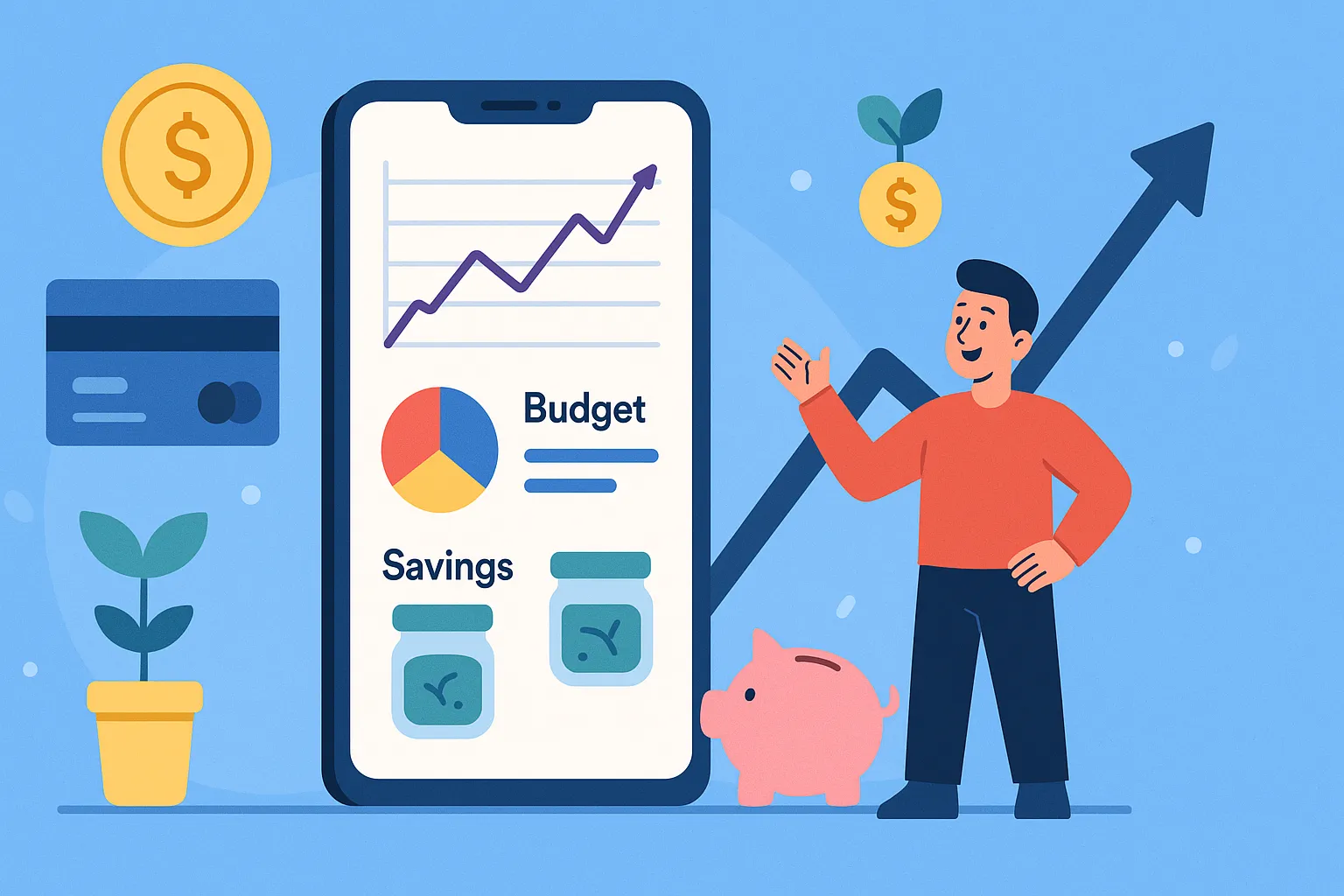
Use budgeting apps or the 50/30/20 rule:
- 50% essentials
- 30% wants
- 20% savings/investments
8. Not Planning for Major Life Goals
Why it’s a mistake
Your 30s often bring big milestones—buying a house, raising children, starting a business. Without financial planning, these goals can feel overwhelming.
Benefit of avoiding this mistake
- Smooth financial journey toward life milestones
- Less dependence on debt for major purchases
- Greater clarity in long-term decision-making
9. Ignoring Tax Planning
Why it’s a mistake
Failing to optimize taxes can cost you thousands annually.
Example
Not contributing to tax-advantaged accounts like 401(k)s, IRAs, or HSA means missing out on both savings and tax benefits.
Conclusion
Your 30s are a pivotal time to set yourself up for financial freedom. By avoiding these common mistakes—such as neglecting retirement savings, overspending, or ignoring investments—you can secure a brighter financial future. Remember: small, consistent financial decisions today can lead to big rewards tomorrow.
FAQs About Financial Mistakes in Your 30s
1. How much should I save for retirement in my 30s?
A good rule of thumb is to save at least 15% of your income, but the earlier you start, the more you’ll benefit from compound growth.
2. Is it too late to start investing at 30?
Not at all. Starting in your 30s still gives you 30+ years of growth potential, especially if you invest consistently.
3. How big should my emergency fund be?
Aim for 3–6 months of expenses. If you have dependents or a variable income, consider a larger buffer.
4. Should I pay off debt or invest first?
Generally, prioritize high-interest debt first, while still contributing at least minimally to retirement accounts.
5. What’s the best budgeting method in your 30s?
The 50/30/20 rule works well, but adapt it to your lifestyle and financial goals.
6. Do I really need life insurance in my 30s?
If you have dependents, loans, or a mortgage, life insurance can provide essential protection for your family.
7. How can I prevent lifestyle inflation?
Track your spending, set savings goals, and increase investments whenever your income rises instead of just spending more.
Disclaimer
This article is for educational purposes only and should not be taken as financial advice. Always consult a certified financial advisor for guidance tailored to your situation.
Internal Link :-
- Best Home Workouts Without Equipment: Build Strength Anytime, Anywhere
- 7-Day Healthy Meal Plan for Beginners: Simple & Delicious Recipes
- 10 Best Apps to Save Money in 2025: Smart Budgeting & Financial Freedom
- How to Start Investing with Just $100 in 2025
- Best Side Hustles for Beginners to Make $500/Month in 2025

Thank you for sharing such informative content. This Insurance blog provides valuable insights and is very helpful for readers. If anyone needs more guidance or expert support in choosing the right Group health insurance or any other policy, they can connect with Securenow for reliable assistance.