Discover how Edge AI is revolutionizing technology by enabling devices to process data locally. Learn how it works, its benefits, real-world applications, and future impact.
Introduction
Imagine your smartphone predicting your next move, your security camera detecting intruders instantly, or your car identifying road hazards — all without relying on an internet connection.one of the most transformative technologies shaping the future.
In an increasingly connected world, dependence on cloud-based processing has led to issues like latency, privacy risks, and bandwidth overload. Edge AI solves this by bringing AI computation directly to devices, enabling them to make smart decisions locally.
This blog explores how Edge AI works, its advantages, real-world applications, and why it’s a cornerstone for the next wave of intelligent, independent technology.
What is Edge-AI?
Edge AI combines Artificial Intelligence (AI) and Edge Computing. Instead of sending data to remote servers, AI models are deployed directly on local devices — allowing instant decision-making.
In simple terms:
Edge AI = AI models + On-device processing = Real-time intelligence without the cloud.
Example:
A smart surveillance camera using Edge AI can detect unusual movement, recognize faces, or alert security teams in real-time — even without internet connectivity.
How Edge-AI Works
Edge AI works by integrating AI algorithms into devices equipped with edge processors (like GPUs, TPUs, or dedicated AI chips). These devices collect and analyze data locally, only sending important information to the cloud when necessary.
Key Components:
- Edge Devices – Smartphones, IoT sensors, drones, cameras, and industrial machines.
- Edge Servers or Gateways – Local computing nodes that handle heavier AI tasks.
- AI Models – Pre-trained neural networks optimized for low-power, high-speed inference.
- Edge Frameworks – Software like TensorFlow Lite, OpenVINO, or NVIDIA Jetson used for AI deployment.
Why Edge-AI Matters
1. Reduced Latency
Since data processing happens locally, responses are instantaneous — critical for real-time applications like self-driving cars or healthcare monitoring.
2. Improved Privacy & Security
Sensitive data never leaves the device, reducing the risk of data breaches or cyberattacks.
3. Lower Bandwidth Costs
By minimizing cloud data transfer, Edge AI drastically reduces network congestion and operational costs.
4. Offline Functionality
Devices powered by Edge AI can operate even without internet access, ensuring reliability.
5. Energy Efficiency
Local processing consumes less energy compared to continuous data transmission to cloud servers.
Real-World Applications of Edge-AI
1. Smart Homes
Devices like Amazon Alexa, Google Nest, and smart thermostats now use on-device AI for faster responses and improved privacy.
2. Healthcare
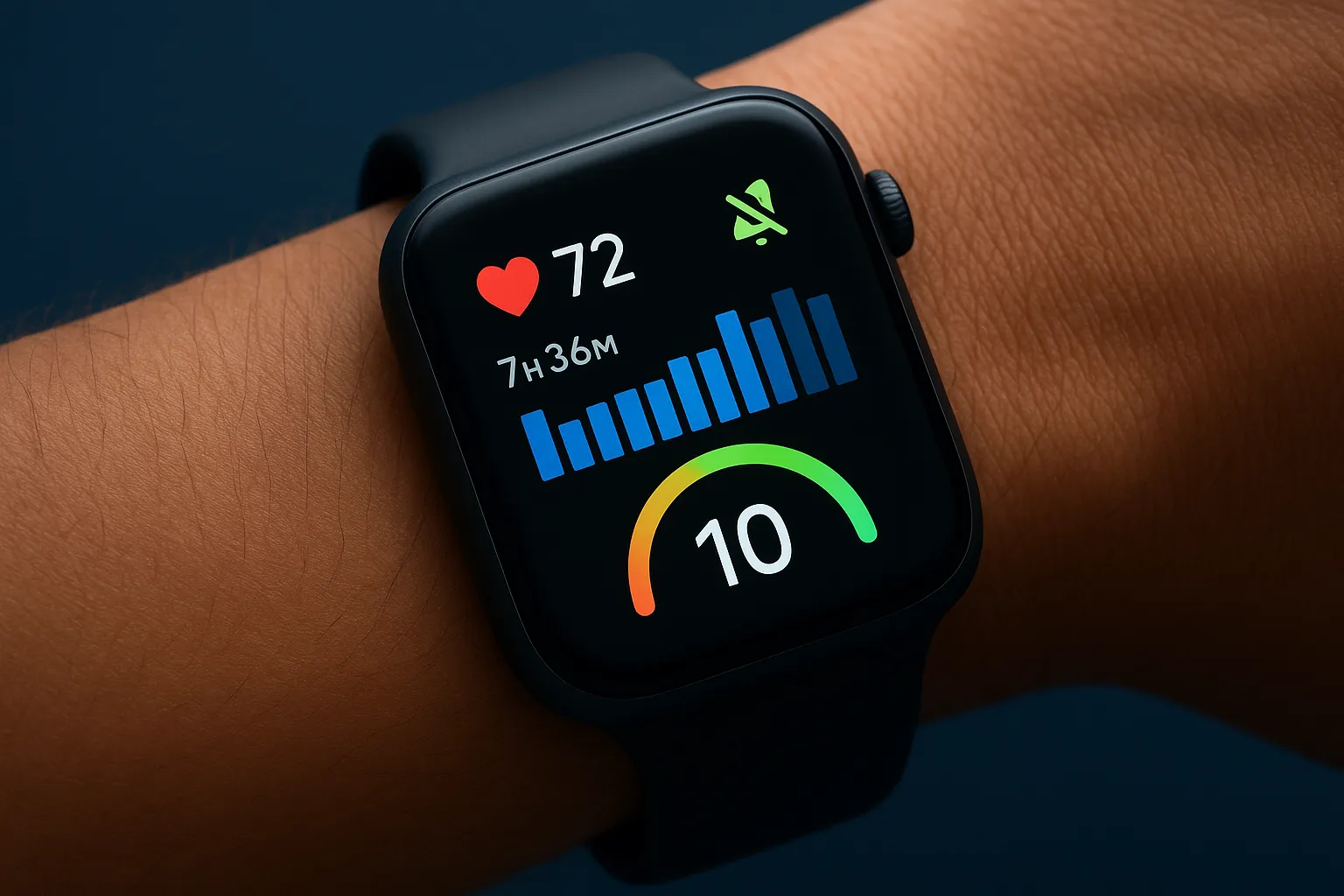
Wearable devices monitor vital signs in real time and alert users or doctors instantly — without sending sensitive data to the cloud.
3. Autonomous Vehicles
Self-driving cars rely heavily on Edge AI to make split-second decisions like braking, steering, or detecting obstacles.
4. Manufacturing (Industry 4.0)
Edge AI enables predictive maintenance, quality control, and automation on factory floors.
5. Retail
AI cameras analyze customer behavior, track inventory, and personalize experiences on-site, even if connectivity is lost.
6. Agriculture
Farm sensors process soil, weather, and crop data locally to optimize irrigation and fertilization, reducing waste.
7. Defense & Security
Drones and surveillance systems use Edge AI for facial recognition and object tracking in offline environments.
The Technology Behind Edge-AI
1. Specialized Hardware
Edge AI relies on AI accelerators like:
- Google Coral TPU
- NVIDIA Jetson Nano
- Intel Movidius Myriad
- Apple Neural Engine (ANE)
These chips are optimized for running AI tasks efficiently on the edge.
2. Lightweight AI Models
Instead of complex models, optimized neural networks like MobileNet, Tiny YOLO, or SqueezeNet are used for faster, energy-efficient inference.
3. Edge Frameworks
Popular development tools include:
- TensorFlow Lite
- PyTorch Mobile
- OpenVINO
- AWS Greengrass
- Azure IoT Edge
Benefits of Edge-AI for Businesses
- Real-time Decision Making:
Businesses can react instantly to operational data — critical for logistics, healthcare, and security. - Data Sovereignty:
Sensitive data remains within organizational boundaries, aiding in compliance with regulations like GDPR. - Scalability:
Edge devices can be deployed and updated remotely with minimal infrastructure cost. - Enhanced Customer Experience:
Faster responses and personalization lead to higher satisfaction. - Operational Cost Reduction:
Less dependency on cloud storage and bandwidth results in major cost savings.
Challenges in Edge-AI
Despite its advantages, Edge AI faces some challenges:
- Hardware Limitations: Edge devices have restricted memory and processing power.
- Model Optimization: Converting heavy AI models into edge-compatible versions can be complex.
- Maintenance & Updates: Managing thousands of distributed edge devices is difficult.
- Security Risks: Devices in remote locations may be physically vulnerable.
However, advancements in AI chip design, federated learning, and model compression are quickly overcoming these issues.
Future of Edge-AI
The global Edge AI market is projected to exceed $100 billion by 2030, fueled by innovations in 5G, IoT, and machine learning.
In the near future:
- Smart cities will use Edge AI for traffic control and energy management.
- Retail stores will operate autonomously with real-time data analytics.
- Healthcare will shift toward remote, intelligent patient monitoring.
Edge AI represents the foundation for a decentralized, intelligent digital ecosystem.
Conclusion
Edge AI is revolutionizing how devices operate, bringing speed, security, and independence to digital ecosystems. By enabling real-time decision-making without internet dependency, it bridges the gap between cloud intelligence and physical environments.
From smart homes to autonomous vehicles, Edge AI isn’t just the future — it’s the present reality driving the next generation of innovation.
FAQ’s
1. What is Edge-AI?
Edge AI is a technology that allows devices to process data and make decisions locally without relying on cloud servers or internet connections.
2. How does Edge-AI differ from Cloud AI?
While Cloud AI processes data in remote servers, Edge AI handles computation directly on devices, ensuring faster responses and better privacy.
3. What are examples of Edge-AI devices?
Examples include smartphones with voice assistants, self-driving cars, industrial robots, drones, and smart surveillance cameras.
4. Can Edge-AI work without the internet?
Yes, Edge AI can operate fully offline since data processing happens on the device itself rather than in the cloud.
5. What are the main benefits of Edge AI?
Faster decision-making, reduced latency, improved security, lower bandwidth usage, and offline functionality.
6. What industries benefit most from Edge AI?
Healthcare, manufacturing, retail, automotive, agriculture, and defense sectors benefit greatly from Edge AI’s efficiency and reliability.
7. What is the future of Edge AI?
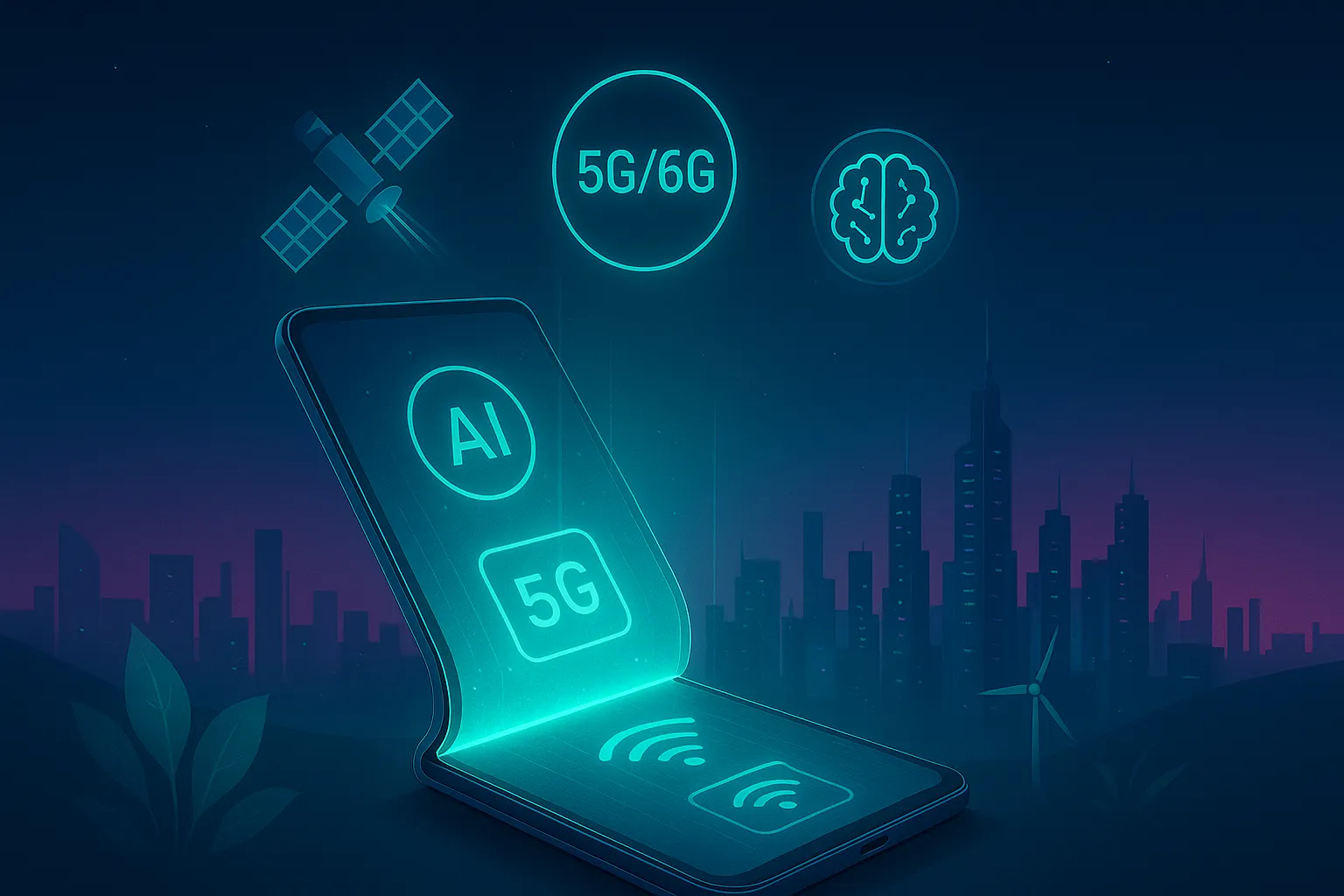
The future lies in combining Edge AI with 5G and IoT technologies to create smarter, faster, and more autonomous systems across industries.
Disclaimer
This article is for educational purposes only. It aims to provide general information about Edge AI technology and its applications. Readers should conduct further research or consult experts before implementing any solutions.
Internal Link :-
- AI in Content Creation: Essential Tools for Writers, Designers & Marketers
- Best Budget Tech Gadgets Under 1000 Rupees (2025)
- AI vs. Human Creativity: Who Wins in 2025 and Beyond?
- Must-Have Chrome Extensions Powered by AI in 2025
- Complete iPhone 17 Series Review: Is It Truly Worth the Upgrade?
- Best Free AI Tools You Can Start Using Today

Can you be more specific about the content of your article? After reading it, I still have some doubts. Hope you can help me.
Can you be more specific about the content of your article? After reading it, I still have some doubts. Hope you can help me.