Wondering if supplements are necessary? Discover what science says about vitamins, minerals, and supplements, their benefits, risks, and when you actually need them.
Introduction
Walk into any pharmacy or health store today, and you’ll be greeted by shelves stacked with colorful bottles of vitamins, minerals, and herbal supplements. The global supplement industry is worth billions, promising everything from stronger immunity to better sleep and faster muscle growth.
But here’s the big question: do you really need supplements, or is it all just hype?
In this blog, we’ll dive into the science, explore when supplements can actually help, when they’re unnecessary, and how to make informed choices without wasting your money—or harming your health.
The Role of Supplements in Modern Life
What Are Supplements?
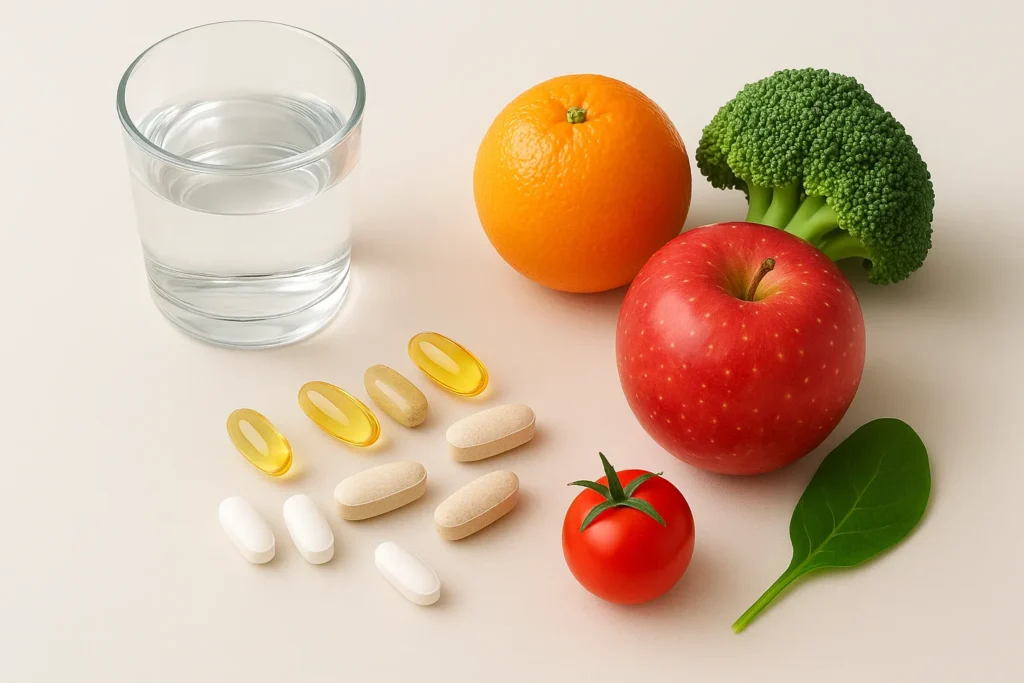
Supplements are products taken orally that contain one or more dietary ingredients—such as vitamins, minerals, amino acids, or herbs—intended to supplement (not replace) your diet.
They come in forms like tablets, capsules, powders, and gummies.
Why People Take Supplements
- Nutrient Gaps: Busy lifestyles often lead to less-than-perfect diets.
- Health Goals: Athletes take protein powders or creatine to boost performance.
- Preventive Care: Many people use multivitamins for general wellness.
- Medical Needs: Doctors may prescribe supplements for specific deficiencies.
Step 1: Do You Actually Need Supplements?
When Supplements May Be Helpful (Science-Backed)
- Vitamin D: Many people lack enough sun exposure, making supplementation beneficial.
- Iron: Essential for women of childbearing age, vegetarians, or those with anemia.
- Vitamin B12: Important for vegans since it’s mostly found in animal products.
- Folic Acid: Recommended for pregnant women to prevent birth defects.
- Omega-3 Fatty Acids: Beneficial for heart and brain health, especially if you don’t eat fish.
When Supplements Are Likely Unnecessary
If you eat a balanced diet rich in fruits, vegetables, whole grains, lean proteins, and healthy fats, most essential nutrients are already covered.
👉 Science says: For the average healthy adult, multivitamins often provide little to no benefit beyond what a nutritious diet already offers.
Step 2: The Risks of Over-Supplementation
Supplements may look harmless, but too much of a good thing can be dangerous.
- Vitamin A: Excess can damage the liver.
- Iron: Overdose can cause organ damage, especially in children.
- Calcium: Too much may increase kidney stone risk.
- Interactions: Supplements can interfere with prescription drugs (e.g., St. John’s Wort reduces effectiveness of birth control).
💡 Example: In 2011, a large study (SELECT trial) found that too much vitamin E increased the risk of prostate cancer in men.
Step 3: Science vs. Marketing Hype
Common Misconceptions
- “Supplements boost immunity instantly.”
There’s no magic pill for immunity; sleep, exercise, and a balanced diet matter more. - “Protein powders build muscle on their own.”
Without strength training, protein powders won’t do much. - “Natural supplements are always safe.”
Herbal doesn’t always mean risk-free. Some herbs can be toxic in large doses.
What Science Recommends
- Use supplements only to fill gaps, not as substitutes for poor lifestyle choices.
- Rely on evidence-based supplements with proven benefits.
Step 4: Practical Tips for Smart Supplement Use
- Check with Your Doctor before starting any new supplement.
- Look for Third-Party Testing (USP, NSF, ConsumerLab) for quality assurance.
- Avoid Mega-Doses: More is not always better.
- Prioritize Food First: Nutrients from whole foods are absorbed better than pills.
- Keep It Simple: Stick to essentials instead of chasing every new trend.
The Benefits of Responsible Supplement Use
- Supports health during life stages (pregnancy, aging).
- Helps athletes meet higher nutritional demands.
- Improves deficiencies that affect energy, mood, or immunity.
- Can be a convenient way to stay on track when diet falls short.
Conclusion
So, do you really need supplements? The answer depends on your diet, lifestyle, and health needs. For most people, a balanced diet does the heavy lifting, while supplements serve as a helpful backup—not a replacement.
The bottom line: don’t buy into the hype. Rely on science, not marketing.
Disclaimer
This blog is for educational purposes only and is not a substitute for professional medical advice. Always consult a healthcare provider before starting or changing any supplement routine.
FAQ’s
1. Are supplements necessary for everyone?
No. Most healthy adults who eat a balanced diet don’t need supplements, except in cases of deficiencies.
2. What supplements should I definitely consider?
Vitamin D, B12, folic acid, and omega-3s are commonly beneficial, depending on diet and lifestyle.
3. Can supplements replace healthy food?
No. Whole foods provide fiber, antioxidants, and compounds that supplements can’t fully replicate.
4. Are there risks to taking supplements daily?
Yes. Over-supplementation can cause toxicity, organ damage, or drug interactions.
5. Do multivitamins really work?
Research shows limited benefits for healthy adults, though they can help fill minor nutrient gaps.
6. How do I know if I have a deficiency?
Get a blood test from your doctor before starting supplements.
7. What’s the safest way to buy supplements?
Choose reputable brands with third-party testing for purity and dosage accuracy.
Internal Link :-
- Best Home Workouts Without Equipment: Build Strength Anytime, Anywhere
- 7-Day Healthy Meal Plan for Beginners: Simple & Delicious Recipes
- Sleep Smarter: The Best Time to Go to Bed at Every Stage of Life
- Top 10 Supplements for Energy and Focus: Boost Productivity Naturally
- Goel Construction Company Ltd IPO: GMP, Price Band, Allotment, and Listing Details