Struggling to decide between a credit card and a debit card? Explore the pros and cons, differences, and how each card impacts your finances. Find out which one is best for your needs in this detailed guide.
Introduction
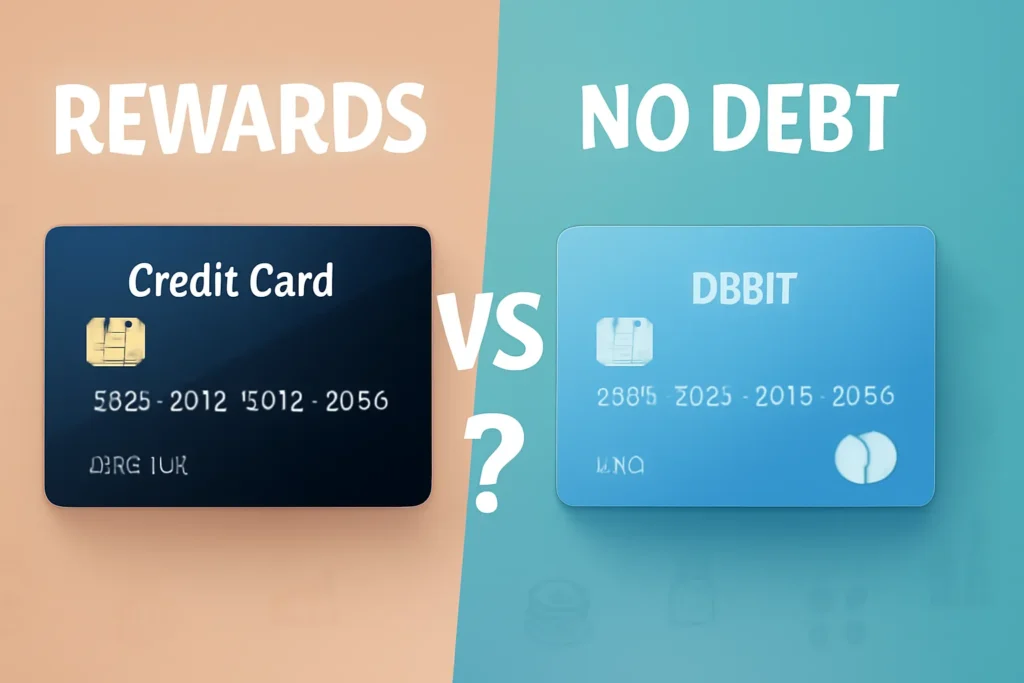
In the world of personal finance, two of the most common payment methods are credit cards and debit cards. While both provide a convenient way to make purchases, they serve different purposes and have distinct advantages and disadvantages. But which one is right for you? This blog will compare credit cards and debit cards to help you understand the key differences, benefits, and which is best suited to your financial habits.
Credit Card vs Debit Card – Key Differences
Before diving into the details, let’s first highlight the primary differences between credit cards and debit cards.
What is a Credit Card?
A credit card allows you to borrow money from a financial institution (like a bank) up to a certain credit limit. When you make a purchase, you’re essentially borrowing money that you’ll need to pay back later. Credit cards usually come with a grace period, meaning you can avoid interest charges if you pay your balance in full before the due date.
Examples of credit cards:
- Chase Sapphire Preferred
- American Express Gold Card
What is a Debit Card?
A debit card, on the other hand, is linked directly to your checking or savings account. When you use a debit card, the money is withdrawn immediately from your account. Essentially, you are using your own money to make purchases rather than borrowing it.
Examples of debit cards:
Advantages of Using a Credit Card
Build Your Credit History
Using a credit card responsibly can help you build your credit history. Good credit is essential for getting loans, mortgages, or even renting an apartment.
Rewards and Cash Back
Many credit cards offer rewards programs, including points, miles, or cashback for every dollar spent. This makes credit cards ideal for frequent shoppers or travelers who can benefit from the perks.
Example: The Chase Sapphire Preferred offers 2x points on travel and dining.
Purchase Protection and Fraud Prevention
Credit cards offer better purchase protection. If a product you purchased is defective or if it’s lost, many credit cards allow you to dispute the charge and receive a refund. Additionally, credit cards usually offer more robust fraud protection than debit cards.
Emergency Financial Flexibility
Credit cards provide a safety net in emergencies. If you don’t have enough cash for an unexpected expense, a credit card can allow you to make the purchase and pay later (with interest, if applicable).
Advantages of Using a Debit Card
No Debt, No Interest
Since debit cards use your own money, you won’t accumulate debt or pay interest on purchases. This can help you avoid overspending and keep your finances in check.
Instant Fund Access
When you use a debit card, the funds are withdrawn immediately from your checking account, making it easier to keep track of your spending in real-time.
No Credit Check Required
Unlike credit cards, you don’t need a credit history or score to get a debit card. This makes it a good option for individuals with no credit or those looking to avoid debt.
Lower Fees
Debit cards typically have lower fees than credit cards. For example, credit cards often charge annual fees, while debit cards tend to have fewer or no such fees.
Which is Better for You? Credit Card vs Debit Card
The decision between using a credit card or a debit card largely depends on your financial habits and goals. Let’s take a look at different scenarios:
Best for Building Credit – Credit Card
If your goal is to build or improve your credit score, a credit card is the better option. By using your credit card regularly and paying it off in full every month, you can improve your credit score over time.
Best for Avoiding Debt – Debit Card
If you’re someone who struggles with managing credit or simply wants to avoid debt altogether, a debit card is the safer choice. It ensures you’re spending only what you have available in your bank account.
Best for Rewards – Credit Card
If you want to earn rewards, cashback, or travel miles, credit cards offer far more lucrative programs than debit cards. For instance, some cards provide 1.5% cashback on every purchase, while others offer exclusive discounts or access to lounges.
Best for Everyday Spending – Debit Card
If your goal is to make everyday purchases without worrying about credit or debt, debit cards are typically the easiest and most straightforward option.
Common Pitfalls of Credit Cards and Debit Cards
Credit Card Pitfalls
- High Interest Rates: If you don’t pay off your balance, interest can accrue quickly.
- Debt Accumulation: Overusing credit cards can lead to mounting debt if not managed carefully.
Debit Card Pitfalls
- Fraud Risk: While fraud protection exists, debit cards don’t offer the same level of security as credit cards, especially if your account is hacked.
- Overdraft Fees: If you don’t keep track of your balance, overdrawing your account can result in hefty fees.
Conclusion
Both credit cards and debit cards have their place in modern-day finance. Credit cards are ideal for building credit, earning rewards, and providing emergency purchasing power, but they come with the risk of accumulating debt. Debit cards are great for avoiding debt and managing your spending in real-time, but they come with limited rewards and fewer protections.
Ultimately, the best card for you depends on your financial goals and habits. Consider using both in combination to maximize your financial flexibility and security.
FAQ’s
Q1: Can I use a credit card as a debit card?
A1: No, a credit card is a line of credit, whereas a debit card is directly linked to your checking account. They operate differently, though some cards may offer a “debit” option for credit card transactions.
Q2: How do I avoid credit card interest?
A2: To avoid interest, ensure you pay off your full credit card balance before the due date. Most credit cards offer a grace period, allowing you to avoid interest if paid in full.
Q3: Can I get a debit card without a checking account?
A3: No, a debit card is tied to a checking or savings account. However, some prepaid cards can function similarly to debit cards without the need for an actual bank account.
Q4: Which card is better for building credit?
A4: A credit card is better for building credit, as long as you use it responsibly and make timely payments. Debit cards do not impact your credit score.
Q5: Are there fees associated with credit cards?
A5: Yes, credit cards may come with annual fees, late payment fees, and foreign transaction fees. Be sure to check the terms before applying.
Q6: What happens if I lose my debit card?
A6: If you lose your debit card, contact your bank immediately to report the loss and freeze your account to prevent fraudulent transactions.
Q7: Can I use my debit card for online purchases?
A7: Yes, most debit cards can be used for online transactions as long as they are backed by major payment networks like Visa or MasterCard.
Disclaimer:
This blog is for educational purposes only. It is not intended as financial advice. Please consult with a financial advisor before making any major financial decisions.
Internal Link :-
- Best Home Workouts Without Equipment: Build Strength Anytime, Anywhere
- 7-Day Healthy Meal Plan for Beginners: Simple & Delicious Recipes
- 10 Best Apps to Save Money in 2025: Smart Budgeting & Financial Freedom
- How to Start Investing with Just $100 in 2025
- Best Side Hustles for Beginners to Make $500/Month in 2025

Your point of view caught my eye and was very interesting. Thanks. I have a question for you.