Discover how AI is transforming elections worldwide — from voter targeting to predictive analytics and digital campaigning. Learn the benefits, challenges, and ethical considerations shaping the future of politics.
Introduction
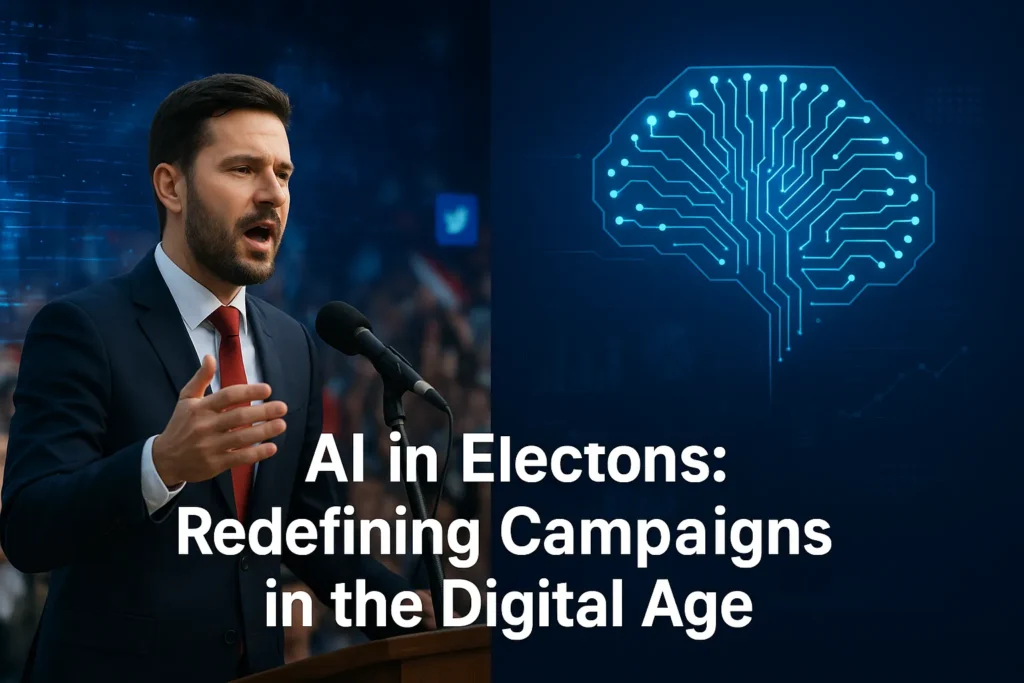
Artificial Intelligence (AI) is no longer just a buzzword; it’s a powerful force reshaping industries, governments, and societies. One of the most fascinating and impactful areas of AI’s evolution is its role in modern elections. From analyzing voter sentiment to automating campaign outreach, AI is changing how political campaigns are strategized, executed, and even perceived by the public.
In today’s digital-first world, AI-driven election strategies are redefining how political leaders connect with citizens — offering precision, personalization, and unprecedented data-driven insights. But this transformation also brings with it ethical dilemmas and challenges that demand attention.
The Rise of AI in Modern Politics
A New Era of Campaign Strategy
Traditionally, political campaigns relied on opinion polls, door-to-door outreach, and manual data analysis. With the advent of AI, these approaches have evolved dramatically. AI tools can now analyze massive amounts of data from social media, search trends, and online discussions to predict voter behavior and optimize campaign messaging.
For example, during the 2020 U.S. elections, AI was used to identify swing voters and determine which issues resonated most with specific demographics — enabling more targeted advertising and content personalization.
AI’s Global Influence
Countries like India, the United States, the UK, and Brazil have all seen AI-powered tools shape election outcomes. In India, AI chatbots and voice assistants help candidates reach rural voters in their native languages. In the U.S., predictive algorithms identify undecided voters and recommend personalized messaging strategies to campaign teams.
Key Areas Where AI Is Redefining Elections
1. Predictive Analytics and Voter Insights
AI enables campaign managers to forecast election outcomes with greater accuracy by analyzing historical data, sentiment analysis, and social behavior.
Predictive algorithms can assess which regions are likely to vote for a particular candidate and what issues drive those decisions.
Example:
Data analytics firms use AI to monitor social media conversations, identifying trending issues like healthcare or unemployment. This helps candidates adjust their talking points in real time.
Benefits:
- Improved accuracy in voter sentiment analysis
- Efficient allocation of campaign resources
- Early identification of voter concerns
2. Personalized Voter Communication
AI-driven tools can segment audiences and craft customized campaign messages that resonate with specific voter groups. Using Natural Language Processing (NLP), chatbots and virtual assistants can engage voters directly, answering policy questions or helping them locate polling stations.
Example:
During the 2019 Indian elections, chatbots were deployed on WhatsApp to send tailored updates and gather feedback from voters — creating a two-way engagement channel never seen before.
Benefits:
- Enhanced voter engagement
- Real-time response to voter inquiries
- Increased campaign efficiency
3. Deepfake Detection and Content Authenticity
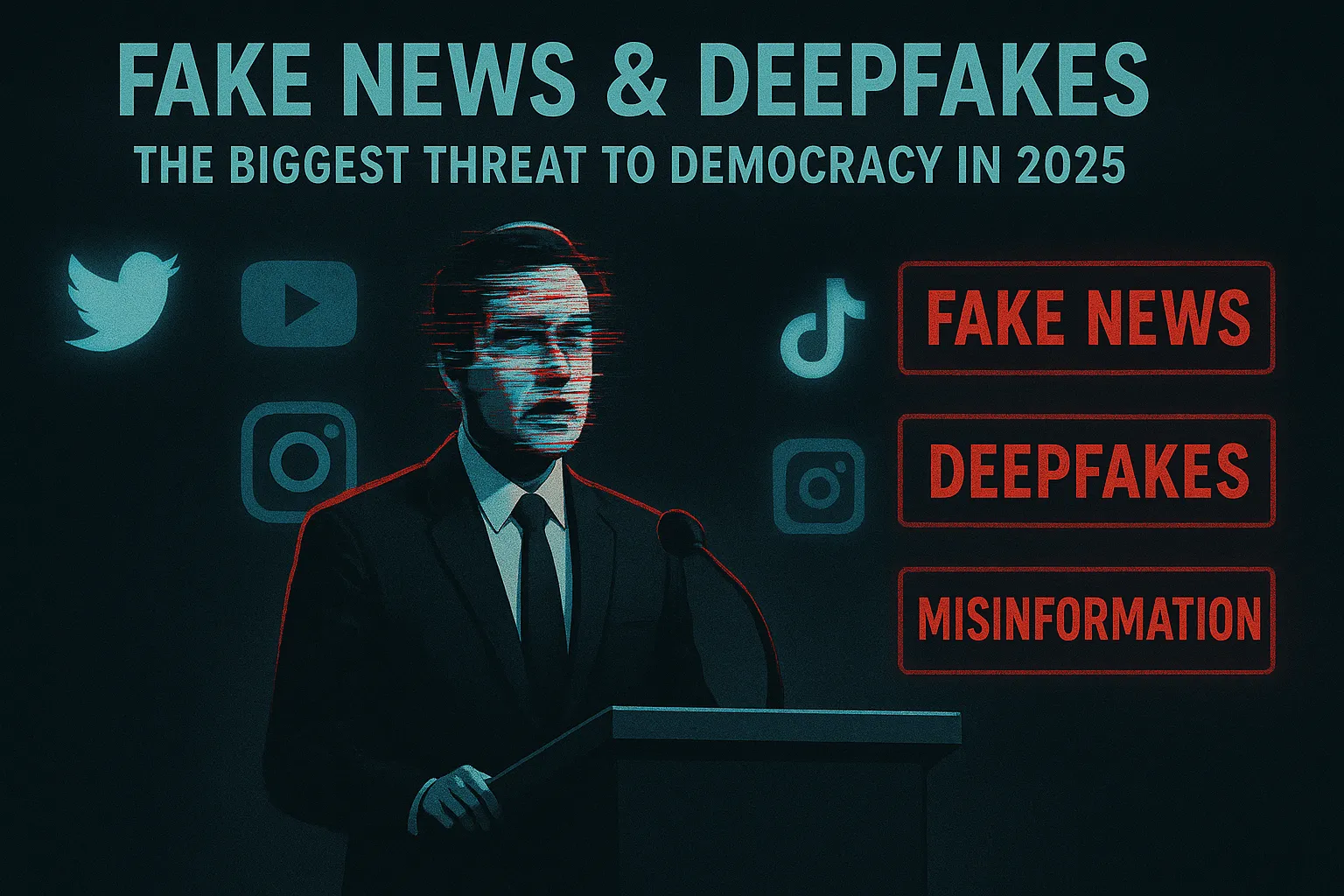
While AI helps campaigns, it also introduces risks such as deepfakes and misinformation. Fortunately, AI itself is becoming the solution. Machine learning algorithms can detect manipulated videos or misleading content and alert platforms or users in real time.
Example:
Facebook and Twitter have implemented AI-based systems that flag suspicious political content or videos that appear to be altered.
Benefits:
- Protection against misinformation
- Strengthened electoral integrity
- Increased voter trust
4. Social Media Sentiment Analysis
AI tools can scan millions of social media posts to gauge public sentiment about political candidates, parties, or issues. This helps campaigns stay in tune with public opinion and adjust strategies accordingly.
Example:
AI systems analyze tweets and Facebook comments to determine whether a candidate’s speech received positive or negative feedback — allowing quick adaptation of the campaign narrative.
Benefits:
- Real-time feedback from voters
- Dynamic adjustment of campaign tone
- Identification of key influencers and opinion leaders
5. Automated Fundraising and Donor Management
Campaigns require significant funding, and AI is helping streamline fundraising efforts. Predictive algorithms can identify potential donors based on past behavior, interests, and social media activity.
Example:
AI platforms like Quorum and Civis Analytics assist political campaigns in identifying high-value donors and automating outreach, saving time and resources.
Benefits:
- Higher donation conversion rates
- Better donor segmentation
- Reduced operational costs
The Ethical Side of AI in Elections
While AI brings efficiency and innovation, it also raises critical ethical concerns:
- Data privacy violations: Voter data can be misused for manipulation.
- Algorithmic bias: Biased training data can lead to unfair targeting or misinformation.
- Transparency issues: Voters may not understand how their data influences campaign decisions.
To ensure fair and transparent elections, governments and tech companies must collaborate to regulate AI’s political use — focusing on accountability, consent, and truthfulness.
Benefits of Using AI in Elections
| Area | Traditional Approach | AI-Enhanced Approach |
|---|---|---|
| Voter Outreach | Mass media, door-to-door | Personalized, data-driven engagement |
| Campaign Strategy | Manual analysis | Predictive and adaptive analytics |
| Fundraising | Broad appeals | Targeted donor identification |
| Misinformation Control | Manual fact-checking | AI-driven deepfake detection |
| Public Sentiment | Polls and surveys | Real-time social listening |
The Future of AI-Driven Elections
AI’s role in elections is expected to grow exponentially by 2030. Future campaigns may include:
- AI-powered debate analysis predicting public reactions in real time.
- Emotion AI to gauge crowd sentiment during speeches.
- Blockchain-backed AI voting systems to ensure transparency and security.
If harnessed responsibly, AI can strengthen democracy by promoting more informed, data-driven, and inclusive elections.
Conclusion
Artificial Intelligence has emerged as a game-changer in political campaigning, turning elections into highly data-driven, efficient, and interactive processes. While challenges around ethics and privacy remain, the benefits are undeniable. With responsible implementation, AI could lead to more transparent and engaging elections that truly reflect the will of the people.
FAQ’s
1. How is AI used in modern election campaigns?
AI helps political campaigns analyze voter data, predict outcomes, personalize messages, and automate engagement through tools like chatbots and predictive analytics.
2. Can AI influence election results?
AI doesn’t directly influence results but can shape voter perception and behavior through targeted outreach and strategic campaigning.
3. What are the risks of using AI in elections?
Major risks include data privacy breaches, misinformation through deepfakes, and algorithmic bias that may unfairly target or misrepresent voter groups.
4. How can AI improve voter engagement?
AI chatbots, recommendation systems, and virtual assistants help voters easily access information, understand policies, and stay updated on election events.
5. Are AI-driven campaigns ethical?
Ethics depend on transparency, consent, and fairness. When used responsibly, AI can make campaigns more effective and democratic.
6. What countries use AI in elections?
The U.S., India, Brazil, and the UK are among the leading nations adopting AI tools in political campaigns for analytics, outreach, and voter engagement.
7. What’s the future of AI in elections?
The future includes AI-driven policy simulations, emotion analysis during debates, and blockchain-secured AI voting systems to ensure fairness and accuracy.
Disclaimer
This article is for educational purposes only. It does not promote or endorse any political party, campaign, or ideology. The information provided is based on general research and should not be considered professional or political advice.
Thank you for your sharing. I am worried that I lack creative ideas. It is your article that makes me full of hope. Thank you. But, I have a question, can you help me?