Learn how to create a budget that you’ll actually stick to with practical steps, examples, and tools. Discover budgeting tips that make managing money simple and stress-free.
Introduction
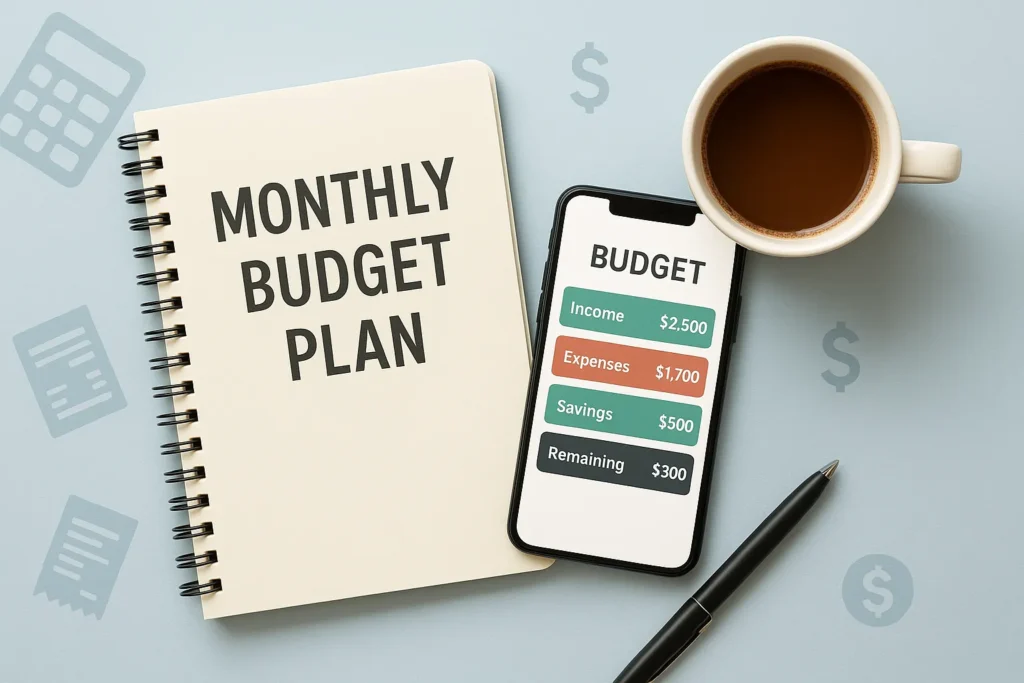
Budgeting is one of those things that everyone knows they should do, yet most people struggle to maintain. You may have started a budget in the past only to abandon it after a few weeks. Why? Because most budgets are too rigid, unrealistic, or simply not aligned with your lifestyle.
The truth is: budgeting doesn’t have to feel restrictive. When done correctly, it empowers you, helps you reach financial goals, and reduces stress about money. In this guide, we’ll walk you through how to create a budget you’ll actually stick to—without feeling like you’re cutting out all the fun in life.
Why Budgets Often Fail
Before we dive into creating a realistic budget, it’s important to understand why most fail:
- Unrealistic expectations – Cutting out all “wants” at once rarely works.
- Too complex – If tracking takes too much time, people give up.
- Lack of flexibility – Life happens, and budgets need to adapt.
- No clear goals – Without motivation, sticking to numbers feels pointless.
A successful budget avoids these mistakes by balancing structure with flexibility.
Step-by-Step: How to Create a Budget You’ll Stick To
1. Know Your Why (Set Clear Goals)
Budgeting works best when tied to goals. Ask yourself:
- Do you want to pay off debt?
- Save for a house or vacation?
- Build an emergency fund?
Having a “why” makes it easier to stay committed when temptations arise.
2. Track Your Income and Expenses
You can’t build a budget without knowing where your money goes. Start by:
- Listing all income sources (salary, side hustles, passive income).
- Reviewing your last 2–3 months of bank or credit card statements.
- Categorizing expenses into needs, wants, and savings/debt repayment.
Example:
- Needs: Rent, groceries, utilities = $2,000
- Wants: Dining out, subscriptions, shopping = $700
- Savings/Debt: Emergency fund, loan payments = $500
3. Choose a Budgeting Method That Fits You
Different people succeed with different budgeting styles. Popular ones include:
- 50/30/20 Rule: 50% needs, 30% wants, 20% savings/debt.
- Zero-Based Budget: Every dollar is assigned a job.
- Envelope System: Cash is divided into physical envelopes for spending categories.
- Pay-Yourself-First: Automatically move money to savings before spending.
Pro Tip: Test a method for a month, then adjust if it feels too restrictive.
4. Automate Your Finances
Automation helps you stick to a budget with less effort. Examples:
- Set up automatic transfers to savings on payday.
- Use bill-pay to avoid late fees.
- Apps like Mint, YNAB, or PocketGuard simplify tracking.
5. Leave Room for Fun Money
A budget that feels like punishment won’t last. Allow a set amount for guilt-free spending.
For example: $100/month for coffee, hobbies, or entertainment. This prevents burnout and makes the budget sustainable.
6. Review and Adjust Monthly
Your first budget won’t be perfect—and that’s okay. At the end of each month:
- Check if you stayed within limits.
- Adjust categories as life changes (new job, moving, unexpected bills).
- Celebrate small wins, like paying down a chunk of debt.
7. Build an Emergency Fund
Unexpected expenses can derail your budget. Aim for at least 3–6 months of living expenses in a separate savings account. This provides security and reduces reliance on credit cards.
Benefits of Budgeting You’ll Stick To
- Reduces money stress – You always know where your money is going.
- Helps reach goals faster – Whether it’s debt freedom or a dream vacation.
- Improves financial habits – Builds discipline over time.
- Increases confidence – You feel in control of your finances, not the other way around.
Conclusion
A budget isn’t about restriction—it’s about freedom. By creating a realistic plan, automating where possible, and leaving room for enjoyment, you can design a budget that actually works for your lifestyle. Remember, progress matters more than perfection. Start small, stay consistent, and watch your financial confidence grow.
FAQs About Budgeting
1. What is the simplest budgeting method for beginners?
The 50/30/20 rule is beginner-friendly: 50% of income for needs, 30% for wants, 20% for savings/debt.
2. How much should I save each month?
A good target is 20% of your income, but even 5–10% is a great start if money is tight.
3. Should I pay off debt or save first?
Ideally, build a small emergency fund ($500–$1,000), then focus on paying down high-interest debt while still saving a little each month.
4. How do I stick to a budget if I overspend?
Review where you overspent, adjust categories, and set spending limits with cash or debit to control impulses.
5. What tools can help me manage a budget?
Apps like Mint, You Need a Budget (YNAB), PocketGuard, or even a simple spreadsheet work well.
6. Can I budget with irregular income?
Yes. Base your budget on your lowest expected monthly income and adjust when extra money comes in.
7. How often should I review my budget?
At least once a month. Regular reviews keep you accountable and adaptable.
Disclaimer
This blog is for educational purposes only and should not be considered financial advice. Please consult a certified financial advisor for personalized recommendations.
Internal Link :-
- Best Passive Income Ideas for Beginners in 2025 – Build Wealth While You Sleep
- How to Build a Side Hustle That Actually Pays Off: A Step-by-Step Guide
- 10 Proven Ways to Save Money in 2025 Without Cutting Lifestyle
- Step-by-Step Guide to Cryptocurrency for Beginners: Everything You Need to Know
- Financial Mistakes to Avoid in Your 30s for a Secure Future


Thanks for sharing. I read many of your blog posts, cool, your blog is very good.