Discover how green entrepreneurship is transforming businesses in 2025. Learn profitable and sustainable ways to build eco-friendly companies while making a positive impact.
green-entrepreneurship-profitable-sustainable-business
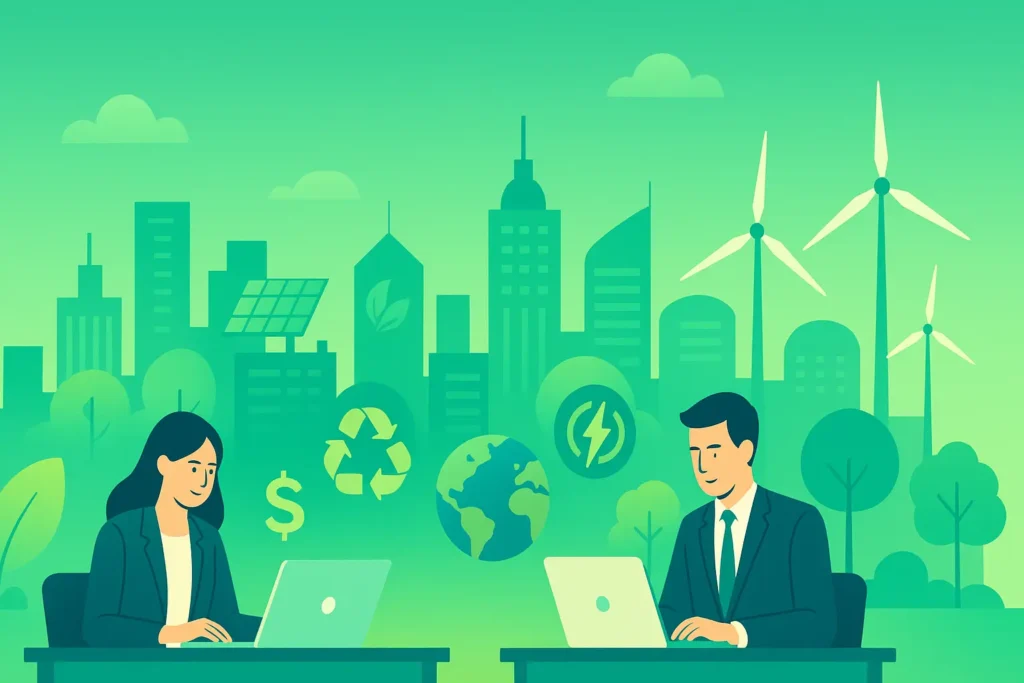
Introduction
In 2025, the world is witnessing a major shift in how businesses operate. Customers are no longer looking only for quality and affordability—they also want sustainability and responsibility. This has given rise to a new wave of entrepreneurs: Green Entrepreneurs.
Green entrepreneurship is about creating businesses that are not only profitable but also eco-friendly, socially responsible, and future-focused. From renewable energy startups to sustainable fashion brands, eco-conscious businesses are leading the way toward a greener economy.
But the real question is: Can going green also be profitable? The answer is a big YES. In this blog, we’ll explore profitable ways to build a sustainable business, backed by real-world examples, benefits, and strategies.
Why Green Entrepreneurship Matters in 2025
1. Consumer Demand for Eco-Friendly Products
Today’s consumers prefer products that are sustainable, cruelty-free, and ethically sourced. According to global surveys, more than 70% of buyers prefer eco-friendly brands.
2. Government Policies and Incentives
Many governments are offering tax breaks, subsidies, and grants for businesses that adopt green practices.
3. Long-Term Cost Savings
Sustainable businesses often reduce operational costs by using renewable energy, recycling, and efficient supply chains.
4. Brand Reputation and Loyalty
Green businesses build stronger brand trust and customer loyalty, making them more competitive in the long run.
Profitable Ways to Build a Sustainable Business
1. Renewable Energy Solutions
- Startups offering solar panel installations, wind energy solutions, or bio-energy are thriving.
- Example: Companies like Tesla Solar and local green energy startups provide affordable renewable options.
- Profitability: Growing demand from homes, offices, and industries ensures recurring revenue.
2. Eco-Friendly Fashion and Lifestyle Brands
- The fashion industry is a major polluter. Green entrepreneurs are changing this with organic fabrics, recycled materials, and ethical production.
- Example: Brands like Patagonia and Allbirds focus on sustainability while staying profitable.
- Profitability: Conscious consumers are willing to pay more for sustainable clothing.
3. Green Technology and SaaS Platforms
- AI and IoT-powered energy efficiency software, smart home apps, and carbon footprint trackers are booming.
- Example: Startups offering carbon offset calculators or sustainable supply chain platforms.
- Profitability: Businesses pay for SaaS subscriptions that help them achieve sustainability goals.
4. Waste Management and Recycling Businesses
- Startups turning plastic waste into eco-bricks, recycling e-waste, or composting organic waste.
- Example: Terracycle and local recycling startups make money while reducing landfill waste.
- Profitability: Governments and corporations are investing heavily in waste-to-wealth models.
5. Organic Food and Farming
- Businesses in organic farming, plant-based foods, and farm-to-table services are growing rapidly.
- Example: Brands like Beyond Meat and Impossible Foods are revolutionizing sustainable eating.
- Profitability: Increasing demand for healthy, eco-friendly food guarantees growth.
6. Sustainable Real Estate and Construction
- Eco-friendly smart homes, green buildings, and energy-efficient offices are in demand.
- Example: Startups focusing on solar-integrated homes and sustainable building materials.
- Profitability: Governments and buyers are prioritizing sustainable living spaces.
7. Green Consulting Services
- Many companies lack sustainability expertise. Green entrepreneurs can provide consulting services to help them adopt eco-friendly practices.
- Example: Sustainability consultants help corporates meet ESG (Environmental, Social, and Governance) goals.
- Profitability: Businesses pay well for guidance in achieving compliance and reducing costs.
Benefits of Green Entrepreneurship
For Entrepreneurs:
- Stronger brand reputation
- Access to eco-focused investors
- Competitive edge in the market
- Long-term business sustainability
For Society and the Planet:
- Reduced carbon emissions
- Better resource efficiency
- Healthier communities
- Preservation of natural ecosystems
Challenges in Green Entrepreneurship
- High Initial Investment – Eco-friendly production often costs more at the start.
- Market Education – Some consumers still prefer cheaper alternatives.
- Supply Chain Issues – Sourcing sustainable materials can be complex.
Solution: Start small, focus on awareness, and scale gradually while leveraging government incentives.
Steps to Build a Profitable Green Business
- Identify Your Niche – Choose renewable energy, fashion, tech, or food.
- Leverage Technology – Use AI, IoT, and blockchain for efficient operations.
- Partner with Eco-Friendly Suppliers – Build a transparent supply chain.
- Get Certifications – Labels like Fair Trade, Organic, or LEED boost trust.
- Educate Customers – Create awareness about your green mission.
- Measure and Scale – Track your carbon footprint and grow sustainably.
Conclusion
Green entrepreneurship is not just about saving the planet—it’s about building profitable businesses that thrive in the new economy. With rising consumer awareness, government support, and technological advancements, entrepreneurs have endless opportunities to make money while making a difference.
If you’re planning to start a business in 2025, going green might be your smartest and most profitable decision.
Disclaimer
This blog is for educational purposes only and does not constitute financial, legal, or investment advice. Readers should seek professional guidance before making business decisions.
SEO-Optimized FAQs
1. What is green entrepreneurship?
Green entrepreneurship refers to building businesses that are profitable while focusing on sustainability, eco-friendliness, and social responsibility.
2. Can sustainable businesses be profitable?
Yes! Many eco-friendly businesses like renewable energy startups, organic food brands, and sustainable fashion companies are highly profitable.
3. What industries have the most green business opportunities?
Industries like renewable energy, fashion, food, technology, real estate, and waste management are leading the way.
4. What challenges do green entrepreneurs face?
The main challenges include high startup costs, consumer awareness, and sourcing sustainable materials.
5. How can small businesses go green?
They can adopt energy-efficient practices, use recyclable packaging, partner with eco-friendly suppliers, and educate customers about sustainability.
6. Are there government incentives for green businesses?
Yes, many governments offer tax benefits, grants, and subsidies for eco-friendly startups and businesses.
7. What is the future of green entrepreneurship?
The future is bright—AI-driven sustainability tools, green financing, and eco-conscious consumers will drive massive growth in the green economy.
Internal Link :-
- Best Home Workouts Without Equipment: Build Strength Anytime, Anywhere
- 7-Day Healthy Meal Plan for Beginners: Simple & Delicious Recipes
- Sugs Lloyd IPO 2025 – Dates, Price Band, GMP, Allotment & Review
- Snehaa Organics IPO 2025 – Price Band, GMP, Subscription, Allotment & Detailed Review
- Goel Construction Company Ltd IPO: GMP, Price Band, Allotment, and Listing Details


Your article helped me a lot, is there any more related content? Thanks! https://accounts.binance.com/zh-CN/register-person?ref=WFZUU6SI
Your article helped me a lot, is there any more related content? Thanks! https://accounts.binance.com/hu/register-person?ref=IQY5TET4