Discover how AI-powered startups are transforming small businesses. Learn practical ways to leverage artificial intelligence for efficiency, customer engagement, and profitability.

Introduction
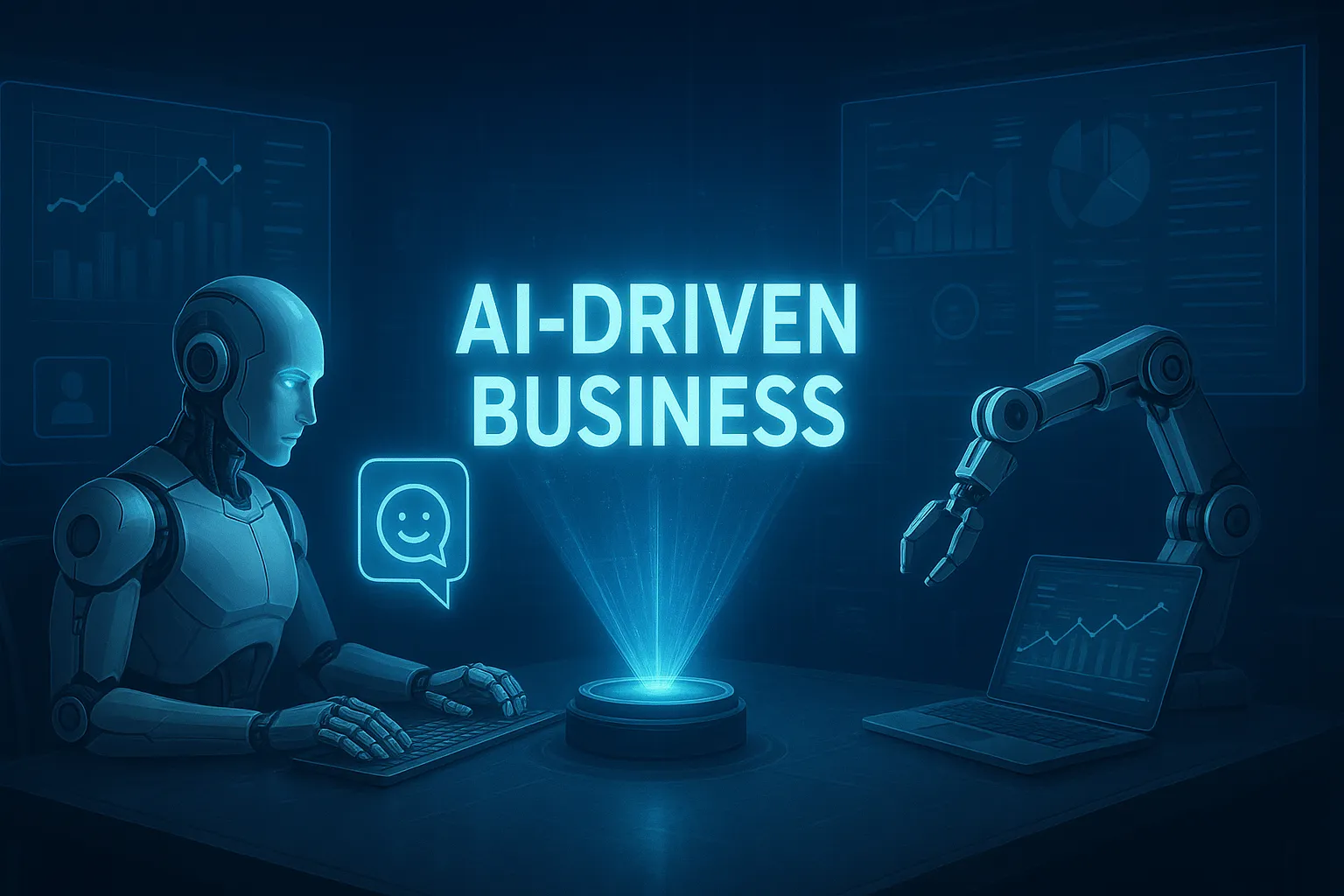
Artificial Intelligence (AI) is no longer a futuristic buzzword—it’s a practical tool reshaping industries. From automating routine tasks to delivering data-driven insights, AI has become the backbone of modern startups and small businesses.
But here’s the best part: AI is not just for tech giants like Google or Amazon. Today, affordable and user-friendly AI tools are enabling small businesses and startups to compete on a global scale. Whether it’s personalized marketing, smarter customer service, or predictive analytics, AI offers small businesses the chance to grow faster, cut costs, and stay ahead of the competition.
In this blog, we’ll explore how AI-powered startups can thrive and how small businesses can effectively leverage AI to scale their operations.
Why AI Matters for Startups and Small Businesses
1. Leveling the Playing Field
AI allows startups to compete with large enterprises by offering the same level of efficiency and personalization, without needing massive teams or budgets.
2. Data-Driven Decision Making
AI analyzes customer behaviors, sales trends, and market patterns—helping small businesses make smarter, evidence-based decisions.
3. Cost Efficiency
By automating repetitive tasks (like email responses or data entry), startups can reduce labor costs while increasing productivity.
Key Areas Where AI Transforms Small Businesses
1. Customer Support and Chatbots
- AI-powered chatbots handle FAQs, provide instant responses, and work 24/7.
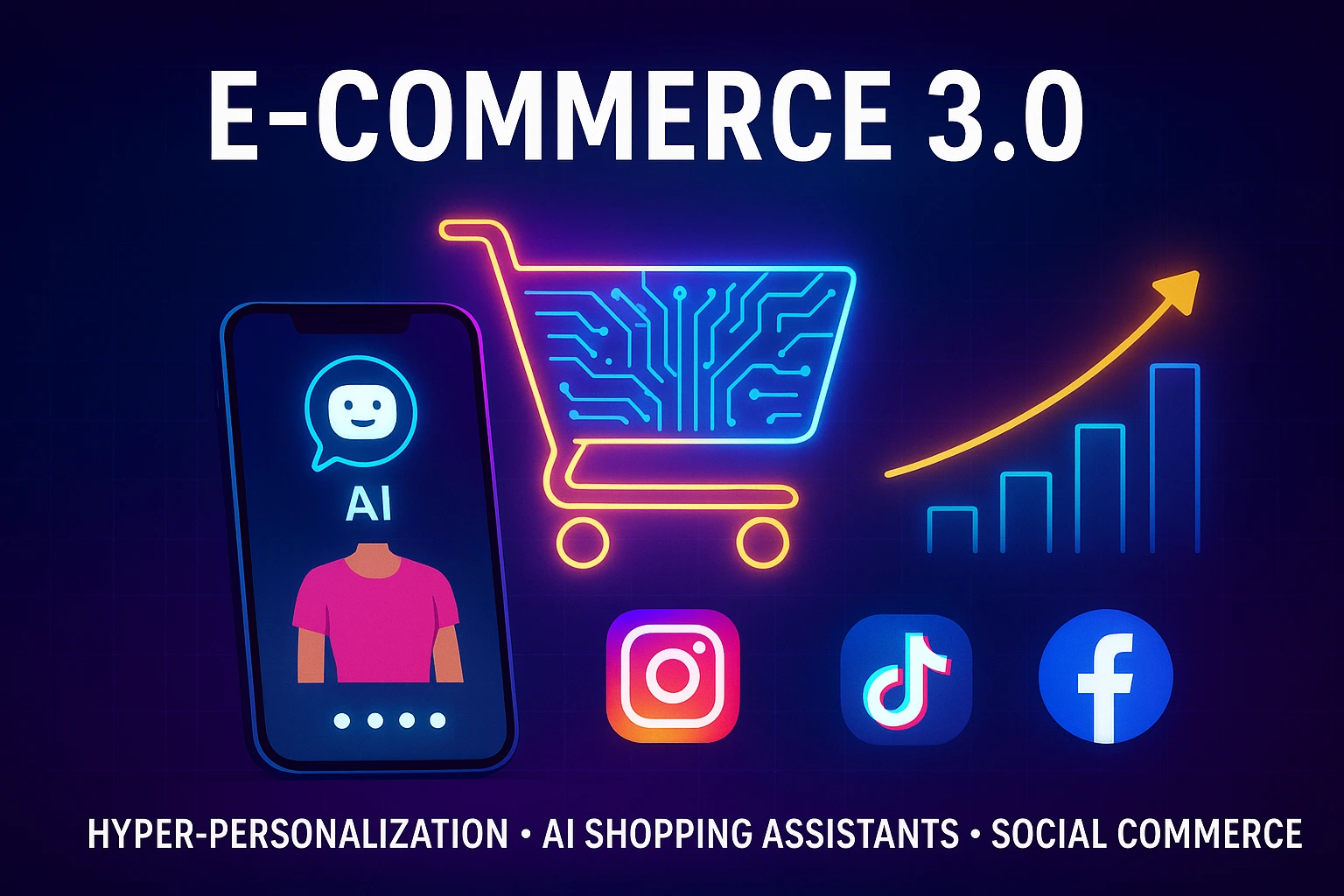
- Example: A local e-commerce startup can integrate AI chatbots to handle order tracking, returns, and product queries, saving staff time.
2. Personalized Marketing Campaigns
- AI analyzes customer preferences to create targeted ads and recommendations.
- Example: Netflix and Amazon’s recommendation systems—replicated at a small scale—help startups cross-sell products effectively.
3. Predictive Analytics for Smarter Decisions
- AI forecasts demand, seasonal trends, and sales opportunities.
- Example: A small café can use AI tools to predict busy hours and optimize staffing and inventory.
4. Streamlined HR and Recruitment
- AI filters resumes, identifies best-fit candidates, and even analyzes employee engagement.
- Example: Startups can save hiring costs by using AI-driven recruitment platforms.
5. Financial Management & Fraud Detection
- AI tools like QuickBooks AI can automate bookkeeping, detect unusual spending, and generate financial insights.
- Example: A growing SaaS startup can track expenses in real-time and prevent fraud risks.
6. Product Development and Innovation
- AI analyzes customer feedback and market gaps to design better products.
- Example: Beauty startups use AI to develop personalized skincare solutions.
Practical AI Tools for Small Businesses
- ChatGPT & Jasper – Content creation and customer interactions
- HubSpot AI – Marketing automation
- Zoho Zia – AI-powered CRM for small businesses
- Grammarly – AI for error-free communication
- Pictory & Lumen5 – AI for video marketing
- QuickBooks AI – Smart financial tracking
Benefits of Leveraging AI for Startups
- Boosts Productivity – Automates repetitive tasks.
- Enhances Customer Experience – Personalized services build loyalty.
- Reduces Costs – Cuts down manual labor and errors.
- Improves Decision Making – Data-driven insights for growth strategies.
- Scalable Solutions – Start small and expand as the business grows.
Challenges Small Businesses Face with AI
- High Initial Setup Costs (though tools are becoming affordable)
- Lack of AI Expertise in small teams
- Data Privacy Concerns when handling sensitive information
- Integration Issues with existing workflows
Solution: Start small with AI-powered SaaS tools instead of building expensive in-house systems.
How to Get Started with AI in Your Startup
- Identify Your Needs – Do you need AI for marketing, HR, or customer support?
- Choose Affordable Tools – Many AI platforms offer free trials for startups.
- Train Your Team – Invest in AI literacy for better adoption.
- Start Small, Scale Gradually – Begin with one process, like chatbot integration, before expanding.
- Measure ROI – Track performance improvements to justify scaling.
Conclusion
AI is no longer a luxury—it’s a necessity for small businesses and startups to remain competitive. From automating everyday tasks to predicting future trends, AI helps businesses grow smarter, faster, and more profitably.
Whether you’re a solopreneur or managing a growing startup, the future belongs to those who adopt AI-powered solutions early. The sooner you embrace AI, the greater your competitive edge.
Disclaimer
This blog is for educational purposes only and should not be considered professional financial, investment, or legal advice. Always consult with a certified expert before making business or financial decisions.
FAQs
1. How can AI help small businesses grow?
AI helps small businesses by automating tasks, improving customer engagement, reducing costs, and providing data-driven insights for smarter decision-making.
2. What are the best AI tools for startups?
Popular AI tools include ChatGPT, Jasper, HubSpot AI, Zoho Zia, Grammarly, QuickBooks AI, and Pictory.
3. Is AI expensive for small businesses?
Not necessarily. Many AI tools now offer affordable subscription models, making them accessible for startups and small businesses.
4. Can AI replace human employees in small businesses?
AI can automate repetitive tasks but works best when combined with human creativity and decision-making. It complements employees rather than replacing them.
5. How do startups implement AI without technical expertise?
Startups can use no-code or low-code AI tools that require minimal technical skills. Outsourcing or using SaaS-based AI platforms also helps.
6. What industries benefit most from AI-powered startups?
E-commerce, healthcare, finance, education, real estate, and manufacturing see significant benefits from AI adoption.
7. Is AI safe for handling customer data?
Yes, if businesses follow proper data security protocols and choose AI tools that comply with global privacy regulations like GDPR.
Internal Link :-
- Best Home Workouts Without Equipment: Build Strength Anytime, Anywhere
- 7-Day Healthy Meal Plan for Beginners: Simple & Delicious Recipes
- Sugs Lloyd IPO 2025 – Dates, Price Band, GMP, Allotment & Review
- Snehaa Organics IPO 2025 – Price Band, GMP, Subscription, Allotment & Detailed Review
- Goel Construction Company Ltd IPO: GMP, Price Band, Allotment, and Listing Details